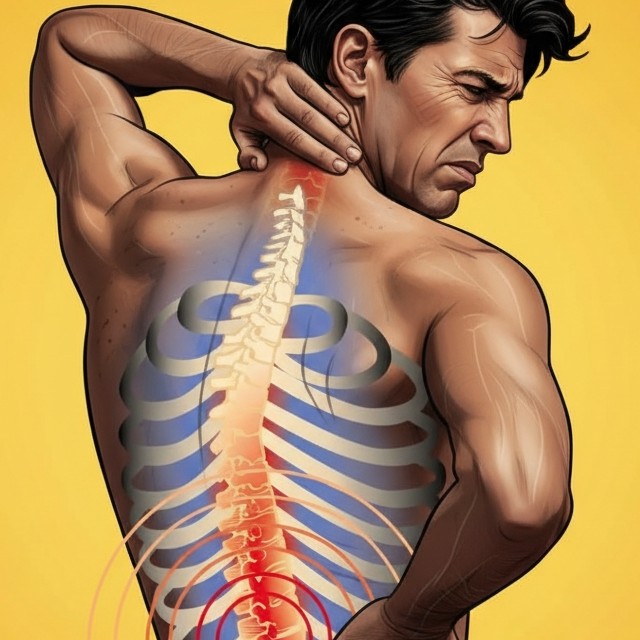
Neck and shoulder tightness from desk work is commonly caused by prolonged sitting, limited movement variety, and sustained muscle loading. Stretch Flex uses assisted stretching to help reduce upper body stiffness, support posture-related mobility, and improve how the neck and shoulders move throughout the workday.
Neck and shoulder tightness from desk work develops when muscles remain in low-level contraction for long periods without sufficient movement. This is common in people who work at computers, laptops, or mobile devices for most of the day. Over time, the upper trapezius, neck extensors, chest, and upper back muscles can become overworked and restricted, leading to stiffness and reduced range of motion.
In practice, this tightness is not always caused by poor posture alone. It is more commonly linked to sustained positions, shallow breathing patterns, and a lack of regular movement through the upper spine and shoulders. Stretching can help, but generic stretches often provide only short-term relief when underlying movement patterns are unchanged.
At Stretch Flex, assisted stretching is used to guide the neck, shoulders, and upper back through controlled ranges of motion while monitoring comfort and response. This approach supports mobility without forcing the joints or aggravating sensitive areas.
Neck and shoulder tightness caused by desk work should not include sharp pain, tingling, or radiating symptoms. These signs should be assessed by a qualified health professional before attempting stretching or mobility work.
Stretch Flex is a Perth-based assisted stretching studio supporting people who experience stiffness, reduced mobility, and posture-related discomfort. Many people searching for solutions to neck and shoulder tightness from desk work have already tried posture fixes or quick stretches with limited success. Understanding why this tightness develops helps explain why a more guided, structured approach can be beneficial for long-term comfort and movement.
Why desk work causes neck and shoulder tightness
Desk work places the neck and shoulders under constant low-level load. Even with good posture, holding the head upright and arms forward requires ongoing muscular effort. Over time, muscles adapt to this demand by becoming tighter and less responsive to movement. This is commonly seen in people who spend long hours at screens with minimal breaks.
Why stretching alone often feels temporary
Many people stretch their neck and shoulders briefly during the day but notice tightness returns quickly. This happens because short stretches do not address the sustained loading patterns or reduced movement variety that caused the stiffness. In practice, stretching needs to be combined with controlled mobility and relaxation to create lasting change.
How assisted stretching helps desk-related tightness
Assisted stretching allows a practitioner to support the head, shoulders, and upper back while guiding movement through safe ranges. This reduces the effort required by the client and allows muscles to relax more effectively. At Stretch Flex, sessions often focus on the neck, chest, shoulders, and upper spine together, rather than treating tightness as an isolated area.
Common areas affected by desk work
Neck and shoulder tightness from desk work often involves the upper trapezius, levator scapulae, chest muscles, and thoracic spine. Restriction in these areas can limit shoulder movement and contribute to a feeling of heaviness or fatigue through the upper body. Addressing these regions together is commonly required for noticeable improvement.
When desk-related tightness should be approached with caution
Stretching should not increase pain or cause symptoms such as numbness, pins and needles, or sharp discomfort. These signs may indicate nerve involvement or other conditions that require assessment. Assisted stretching is most appropriate for muscular stiffness and movement restriction rather than unexplained pain.
How often assisted stretching is typically used for desk workers
People with desk-related neck and shoulder tightness often benefit from regular sessions, particularly during high workload periods. Weekly or fortnightly assisted stretching is commonly used, alongside simple movement breaks during the workday. Progress is usually measured by reduced stiffness between sessions and improved comfort during desk tasks.
Why people in Perth choose Stretch Flex for desk-related stiffness
Stretch Flex focuses exclusively on assisted stretching rather than combining multiple services. Sessions are calm, structured, and tailored to individual comfort levels. This approach suits desk workers who want professional guidance without aggressive techniques, supporting sustainable mobility improvements that fit modern work lifestyles.
FAQs
Why do my neck and shoulders feel tight after sitting all day?
Sustained sitting places continuous load on the neck and shoulder muscles, which can lead to stiffness when movement is limited.
Can assisted stretching help desk-related neck pain?
Assisted stretching may help muscular tightness, but persistent or sharp pain should be assessed by a health professional.
Is posture the main cause of neck and shoulder tightness?
Posture plays a role, but prolonged static positions and limited movement variety are more commonly responsible.
How quickly can tight shoulders improve?
Some people feel short-term relief after a session, while lasting improvement usually requires consistency over several weeks.
Should I stretch at work as well?
Gentle movement breaks during the day can support the effects of assisted stretching sessions.