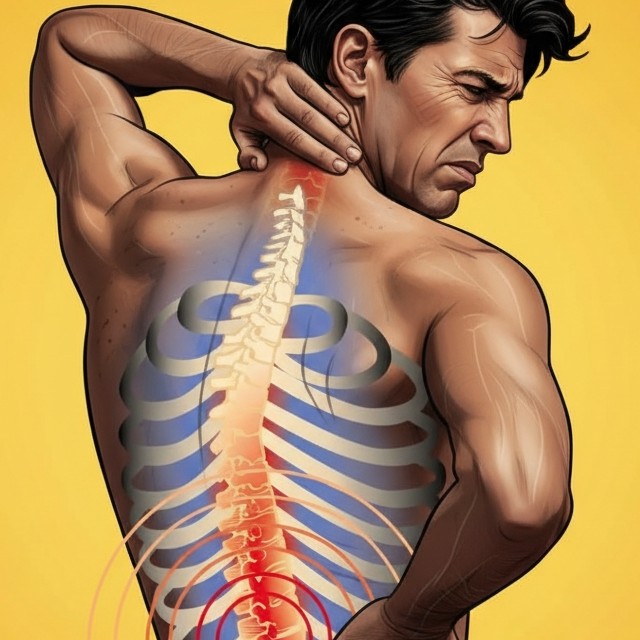
Many people stretch regularly yet still feel tight or restricted because the body resists self-directed stretching. Professional assisted stretching works differently by reducing nervous system guarding and supporting joints through controlled movement. At Stretch Flex, sessions are designed to help the body release safely rather than push through resistance.
Stretching is one of the most commonly recommended ways to improve flexibility and mobility, yet it is also one of the most misunderstood. Stretch Flex provides professional assisted stretching in Perth for people who feel like stretching “should” be helping but somehow never quite does.
Why people stretch but stay tight
In practice, many people stretch consistently and still feel stiff. This often leads to frustration or the belief that their body is simply inflexible. What is commonly overlooked is that tightness is not always a muscle problem. The body often limits movement through protective responses designed to prevent injury. When stretching is rushed, forced, or uncertain, the nervous system tightens rather than releases.
The role of the nervous system in flexibility
Flexibility is not just about muscles lengthening. It is also about whether the nervous system allows that length to happen. When you stretch on your own, your body may interpret unfamiliar positions as unsafe. This creates guarding, where muscles resist movement even if structurally they could move further. Professional assisted stretching works with this system rather than fighting it.
Why stretching alone can reinforce resistance
Self-stretching often involves holding positions while pushing into discomfort. Over time, this can reinforce the body’s protective response. Instead of learning that movement is safe, the nervous system learns to brace earlier and harder. This is why people often feel temporary relief after stretching, followed by a quick return of tightness.
How professional assisted stretching changes the equation
Professional assisted stretching introduces support, stability, and control. The stretch specialist guides the movement while monitoring resistance, breathing, and alignment. This reduces uncertainty for the body. When the nervous system feels supported, muscles are more likely to release naturally. At Stretch Flex, assisted stretching sessions are paced to work with the body’s responses rather than override them.
What makes assisted stretching effective in real life
In real-world conditions, people are often tired, stressed, or mentally distracted. Stretching alone in these states can be ineffective. Professional assisted stretching removes the mental workload. You do not need to decide how far to go or how long to hold. This allows the body to respond without the added layer of self-management, which is often where resistance begins.
When professional assisted stretching is most useful
Professional assisted stretching is particularly effective when people feel stuck despite regular exercise, yoga, or gym work. It is also useful for those who avoid stretching because it feels uncomfortable or pointless. Many clients at Stretch Flex report that assisted stretching helps them access movement they could not reach on their own, even after years of self-stretching.
What assisted stretching is not meant to replace
It is important to be clear about limitations. Assisted stretching is not a replacement for strength training, rehabilitation, or medical treatment. Instead, it complements these approaches by improving movement quality and comfort. Stretch Flex works within these boundaries, focusing on safe, supported mobility rather than exaggerated claims.
Why guidance matters more than intensity
A common assumption is that deeper or more intense stretching equals better results. In practice, intensity often triggers resistance. Professional assisted stretching prioritises guidance, timing, and feedback over force. This is why results tend to feel smoother and more sustainable rather than dramatic and short-lived.
How this approach supports consistency
Consistency is where most mobility improvements occur. Because professional assisted stretching is not painful or exhausting, people are more likely to continue with it. Stretch Flex designs sessions that feel achievable and restorative, making regular attendance realistic rather than daunting.
Why Stretch Flex takes a measured approach
Stretch Flex focuses on working with how bodies behave in everyday life. Sessions are adjusted based on how the body responds on the day, recognising that stress, workload, and recovery all influence movement. This measured approach is why professional assisted stretching often succeeds where stretching alone has stalled.
The takeaway
Stretching alone often fails not because people are doing it wrong, but because the body needs support to feel safe enough to release. Professional assisted stretching provides that support through guidance, control, and responsiveness. For many people, this is the missing link that finally makes stretching effective.
FAQs
Why doesn’t stretching feel effective for me anymore?
Because the nervous system may be guarding movement rather than allowing muscles to lengthen.
Is professional assisted stretching gentle?
Yes. Sessions are controlled and adjusted to your comfort rather than pushing intensity.
Can assisted stretching replace my stretching routine?
It can complement or temporarily replace self-stretching depending on your needs.
How long does it take to see results?
Some people notice changes quickly, while others experience gradual improvement with consistency.
Is professional assisted stretching suitable for desk workers?
Yes. It is particularly helpful for people with prolonged sitting-related stiffness.