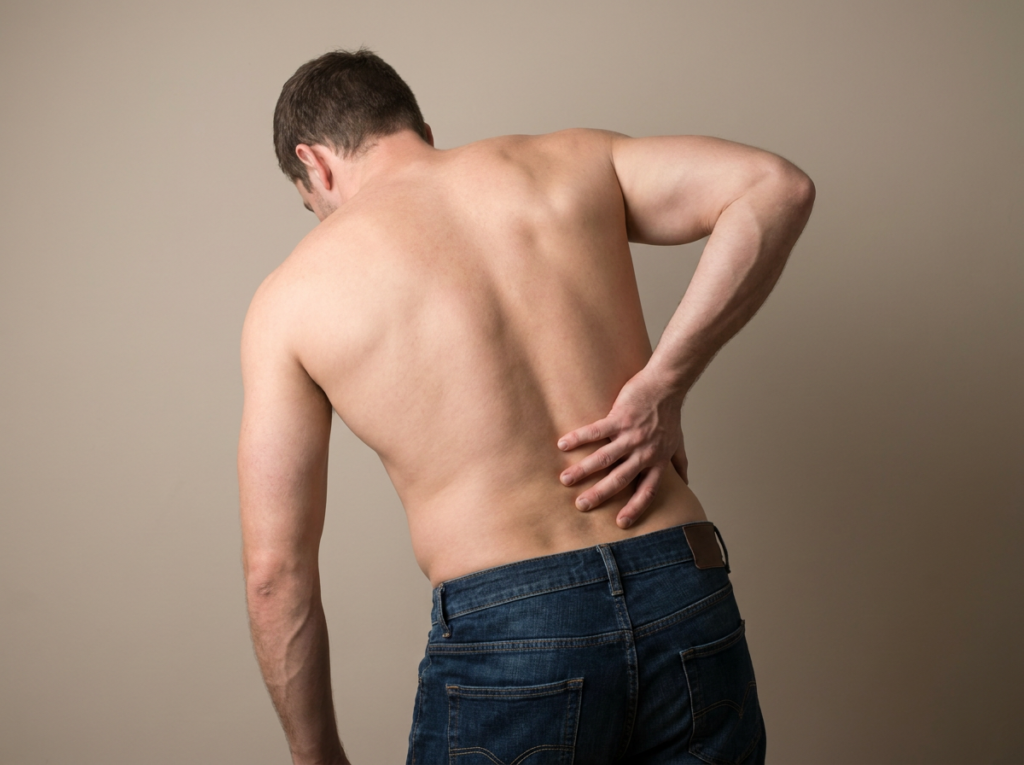
Lower back stiffness is often linked to tight hips, reduced mobility, prolonged sitting or muscle imbalances rather than a serious injury. Assisted stretching can help improve flexibility, restore movement and reduce everyday stiffness by addressing the muscles and joints that influence how your lower back functions.
Lower back stiffness affects people of all ages.
Whether you’re working behind a desk, spending long hours driving, lifting at work or training regularly at the gym, your lower back can gradually become restricted without you realising it.
Many people assume their back is the problem.
In reality, the stiffness often begins somewhere else.
At StretchFlex in Perth, we frequently find that restricted movement in the hips, glutes, hamstrings or surrounding fascia contributes significantly to lower back discomfort.
Improving how the entire body moves often produces better results than focusing on the lower back alone.
What Causes Lower Back Stiffness?
Several everyday habits can contribute to ongoing stiffness.
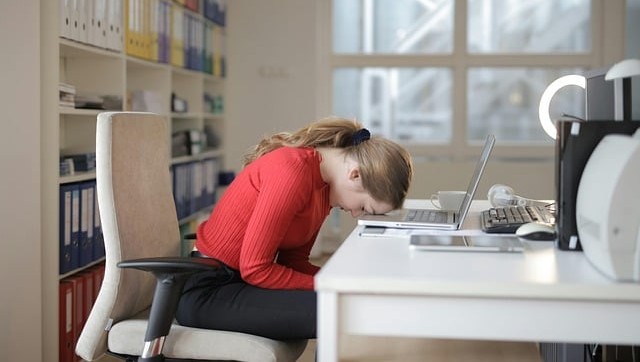
Sitting for Too Long
Modern lifestyles involve more sitting than ever before.
Office workers, drivers and people working from home often remain seated for hours at a time.
This shortens the hip flexors, reduces spinal movement and places additional stress on the lower back.
Tight Hips and Hamstrings
Your lower back doesn’t work in isolation.
When the hips become restricted, the back often compensates by moving more than it should.
This can leave muscles feeling tight and fatigued.
Repetitive Movement
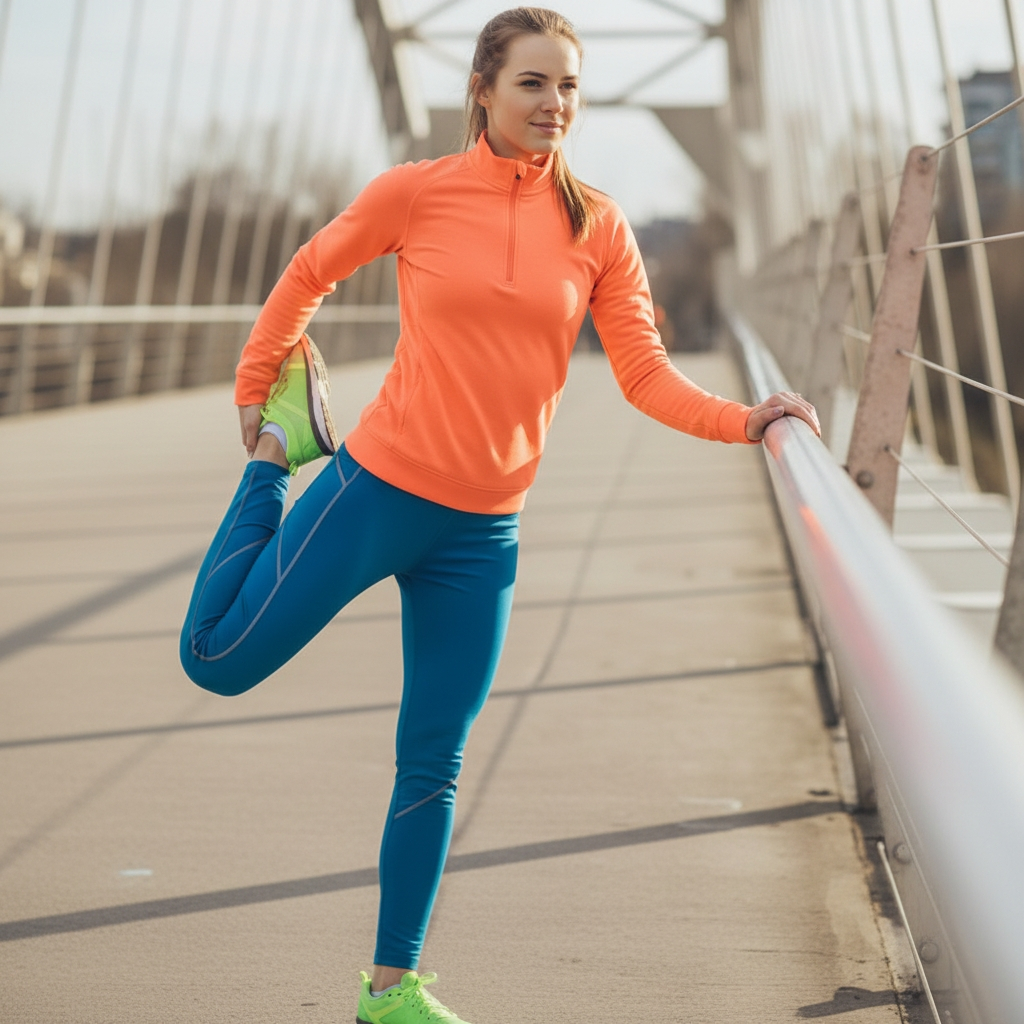
Golf, running, cycling, strength training and physical work all place repeated demands on the body.
Without adequate recovery and mobility work, stiffness can gradually develop.
Reduced Flexibility with Age
As we get older, muscles and connective tissues naturally lose some elasticity.
Regular mobility work helps maintain healthy movement throughout life.
Signs Your Body May Benefit from Assisted Stretching
Many people seek assistance when they notice:
- Stiffness after getting out of bed
- Difficulty bending forward
- Tightness after sitting for long periods
- Reduced flexibility during exercise
- Limited movement when twisting
- General aches after gardening or housework
- Feeling “locked up” after driving
- Recurring stiffness despite stretching at home
These symptoms often suggest that your body would benefit from a more personalised approach to mobility.
How Assisted Stretching Works
Unlike stretching on your own, assisted stretching is performed with the guidance of a trained therapist.
Your therapist carefully moves your body through controlled ranges of motion while monitoring comfort, flexibility and movement quality.
Because you can fully relax during the stretch, muscles often release more effectively than when stretching independently.
Every session at StretchFlex is tailored to your individual needs.
No two people move exactly the same, which is why personalised stretching often achieves better long-term improvements than generic stretching routines.
Looking Beyond the Lower Back
One of the biggest misconceptions is that lower back stiffness always starts in the lower back.
Our mobility assessments often identify restrictions in:
- Hip flexors
- Glute muscles
- Hamstrings
- Quadriceps
- Thoracic spine
- Pelvis
- Core stability
Addressing these areas together can help improve overall movement and reduce unnecessary strain on the lower back.
Enhancing Recovery with Red Light LED Therapy
StretchFlex also offers advanced Red Light LED Therapy alongside assisted stretching.
Our medical-grade 9-wavelength LED system (480nm to 1060nm) delivers therapeutic light energy into multiple tissue depths, helping support muscles, fascia and connective tissues.
When combined with personalised stretching, many clients report feeling:
- More mobile
- Less stiff
- Better recovered
- Ready to move more comfortably
The combination provides a comprehensive approach to movement and recovery rather than simply addressing one area of discomfort.
Five Everyday Habits That Can Reduce Lower Back Stiffness
Get Up More Often
Avoid sitting continuously for several hours. Even a short walk every hour helps keep joints moving.
Keep Your Hips Mobile
Healthy hip movement reduces unnecessary pressure on your lower back.
Warm Up Before Exercise
Preparing your muscles before activity reduces stiffness afterwards.
Build Core Strength
A stronger core supports better posture and more efficient movement.
Stay Consistent
Mobility improves over time with regular movement, stretching and professional guidance where needed.
Why Perth Locals Choose StretchFlex
StretchFlex provides personalised assisted stretching in the Perth CBD for people wanting to move better, recover faster and improve flexibility.
Whether you’re experiencing stiffness from office work, physical labour, sport or everyday life, every session is tailored to your body’s unique movement patterns.
Rather than treating symptoms alone, our goal is to improve the way your body moves as a whole.
If lower back stiffness is limiting your daily activities, personalised assisted stretching may help you move with greater comfort and confidence.
Frequently Asked Questions
Can assisted stretching help lower back stiffness?
Yes. Assisted stretching can improve flexibility and mobility in the muscles and joints that influence lower back movement, helping reduce everyday stiffness.
Why does my lower back feel stiff after sitting?
Prolonged sitting shortens the hip flexors, limits joint movement and places extra stress on the lower back, often leading to stiffness.
Is lower back stiffness always caused by my back?
Not necessarily. Tight hips, hamstrings, glutes and reduced overall mobility frequently contribute to lower back stiffness.
How is assisted stretching different from stretching by myself?
A trained therapist guides each stretch safely while you remain relaxed, allowing for more effective and personalised mobility improvements.
Can Red Light LED Therapy be combined with assisted stretching?
Yes. Many clients choose to combine Red Light LED Therapy with assisted stretching to support recovery, mobility and overall movement.