Assisted Stretching vs Massage | Which Is Better for Recovery in Perth?
When your body feels tight, sore or restricted, most people immediately think about booking a massage. But across Perth, more people are now discovering assisted stretching as an alternative way to improve flexibility, mobility and recovery. At StretchFlex, many clients arrive asking the same question: is assisted stretching actually better than massage?
The answer depends on your goals. Massage and assisted stretching both help the body, but they work very differently. One focuses primarily on muscular relief and relaxation, while the other focuses on improving movement, flexibility and long-term mobility. Increasingly, Perth locals are finding that assisted stretching delivers benefits that continue well beyond the treatment room.
Massage and assisted stretching both support recovery, but assisted stretching focuses more on improving mobility, flexibility and movement patterns long term. Massage is excellent for muscular relaxation and temporary relief, while assisted stretching helps restore range of motion and reduce ongoing stiffness.
What Is the Difference Between Massage and Assisted Stretching?
Massage works primarily through pressure and soft tissue manipulation. It helps increase circulation, reduce muscular tension and encourage relaxation.
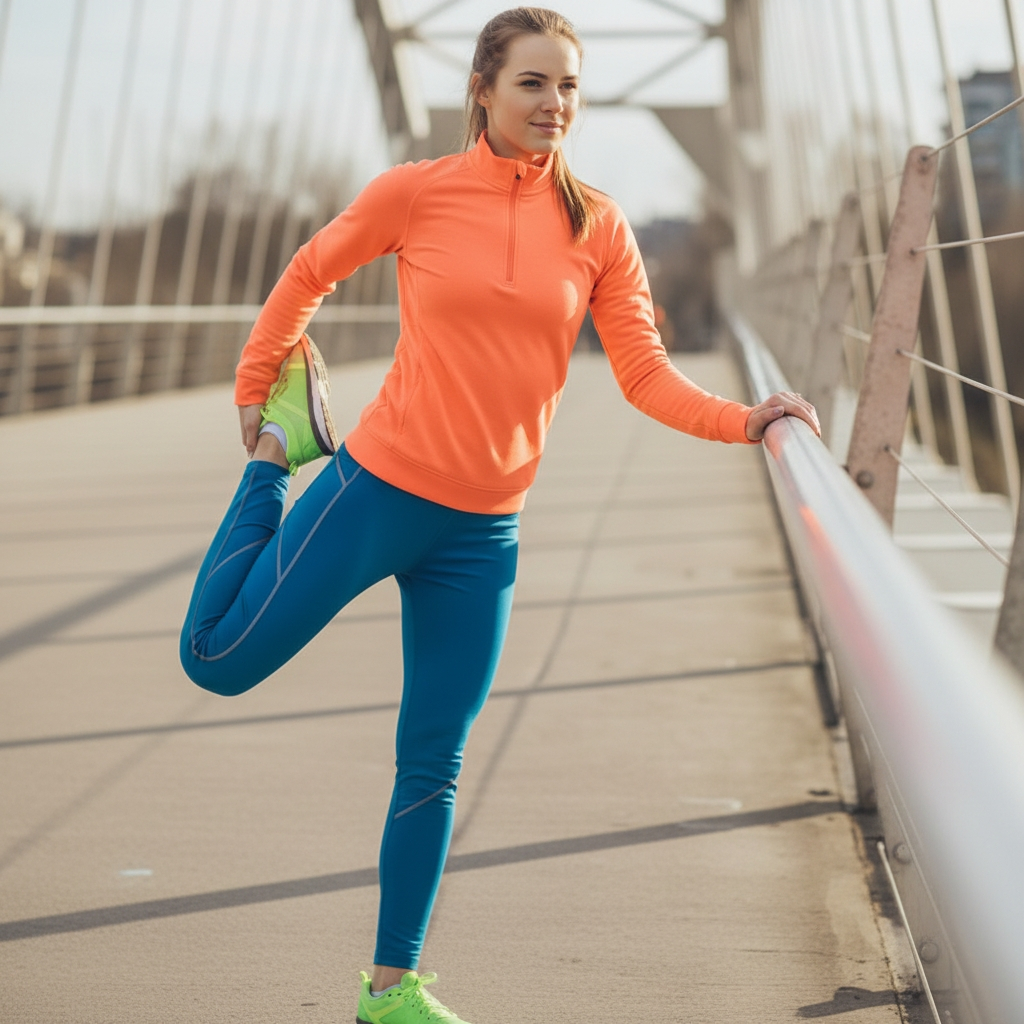
Assisted stretching, on the other hand, involves guided movement through controlled stretches designed to improve flexibility, mobility and joint function.
At StretchFlex Perth, assisted stretching sessions are tailored to each client’s body, restrictions and goals.
The biggest difference is this:
Massage works on the muscles.
Assisted stretching works on the way the body moves.
That distinction is where things become very interesting.
Why Are More People Choosing Assisted Stretching?
Modern life creates movement problems that massage alone cannot always fully address.
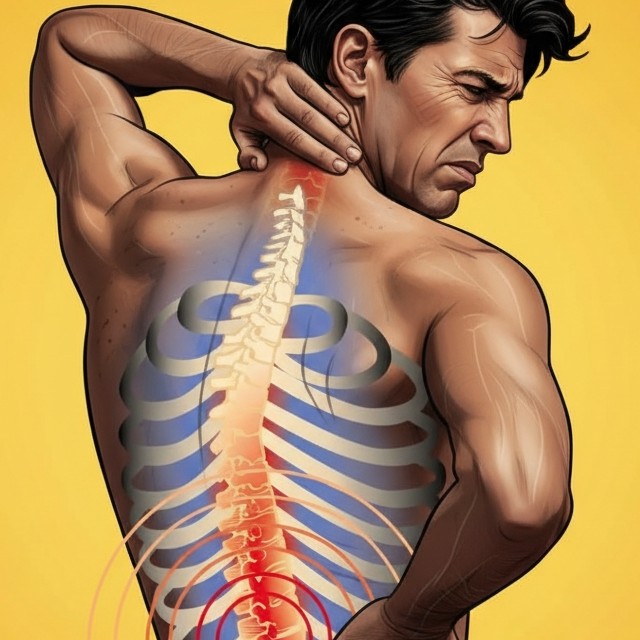
Long hours sitting, repetitive gym training, poor posture and stress often create shortened muscles and restricted movement patterns. While massage may temporarily reduce soreness, many people find tightness returns quickly because the underlying mobility restrictions remain.
This is why searches for “Assisted Stretching Perth” continue to rise.
People want:
- improved flexibility
- better posture
- easier movement
- reduced stiffness
- improved athletic performance
- long-term mobility solutions
Assisted stretching directly targets movement limitations instead of simply chasing muscular tension after it appears.
Which Is Better for Flexibility?
Assisted stretching is generally more effective for improving flexibility because the entire purpose is to increase range of motion safely and progressively.
Massage may help muscles relax temporarily, but flexibility gains are usually limited unless mobility work is included.
At StretchFlex, sessions focus on:
- hips
- hamstrings
- shoulders
- lower back
- neck mobility
- posture correction
- movement efficiency
Over time, clients often notice:
- easier bending
- less tightness
- improved gym performance
- better walking mechanics
- reduced discomfort during daily activities
It is like upgrading the body’s operating system rather than simply silencing warning notifications 📱
Does Assisted Stretching Help Recovery?
Yes. Recovery is one of the biggest reasons Perth clients book assisted stretching sessions.
When muscles remain tight and movement becomes restricted, the body often compensates through poor mechanics. This can increase fatigue, soreness and tension.
Assisted stretching may help:
- improve circulation
- reduce muscular guarding
- support recovery after exercise
- improve movement quality
- reduce stiffness
- improve relaxation
Athletes, gym-goers and tradies commonly use assisted stretching to help the body recover more effectively between training sessions and physical work.
What Does Massage Do Better?
Massage still has excellent benefits.
For stress relief, muscular relaxation and calming the nervous system, massage can be incredibly effective. Many people enjoy the relaxation aspect and immediate feeling of reduced muscular tension.
Massage is particularly useful for:
- stress reduction
- muscle soreness
- circulation support
- relaxation
- temporary pain relief
- recovery after intense activity
In fact, many people combine both massage and assisted stretching as part of an overall wellness routine.
It is not necessarily a battle between the two. More like comparing coffee and water. Both are useful. One simply hydrates your movement patterns a little differently ☕
Why Tightness Often Returns After Massage
A common frustration is that muscular tightness often returns quickly after a massage.
This usually happens because:
- posture issues remain unchanged
- movement patterns stay restricted
- hips and joints remain immobile
- muscles continue compensating
- nervous system tension persists
Assisted stretching aims to improve the actual mechanics of movement. When the body moves better, muscular tension often reduces naturally over time.
This is why many people report longer-lasting improvements after consistent mobility-focused sessions.
Can Assisted Stretching Help Office Workers?
Absolutely.
Desk posture is one of the biggest causes of modern stiffness. Sitting for long periods can create:
- tight hip flexors
- rounded shoulders
- neck tension
- lower back stiffness
- restricted thoracic mobility
Many Perth professionals spend entire workdays folded over laptops like abandoned camping chairs.
Assisted stretching helps counteract these repetitive positions by restoring movement and flexibility to areas that become restricted through prolonged sitting.
Which Is Better for Athletes?
For athletes and active individuals, assisted stretching often delivers greater long-term performance benefits.
Improved mobility may help:
- movement efficiency
- running mechanics
- lifting technique
- recovery speed
- injury prevention
- flexibility
- balance and coordination
Many athletes discover that mobility limitations, not strength, are holding back performance.
Massage remains valuable for muscular recovery, but assisted stretching helps address movement quality itself.
What Happens During an Assisted Stretching Session?
At StretchFlex Perth, sessions are guided and personalised.
Clients remain relaxed while trained professionals move the body through controlled stretches designed to target restricted areas safely.
Sessions may focus on:
- mobility
- posture
- recovery
- flexibility
- athletic performance
- stress-related tension
Unlike stretching alone at home, assisted stretching allows deeper control, better positioning and targeted movement patterns.
Final Thoughts
Massage and assisted stretching both offer valuable benefits, but they serve different purposes.
If your goal is relaxation and muscular relief, massage can be incredibly helpful. If your goal is improving flexibility, mobility, posture and long-term movement quality, assisted stretching may offer greater lasting benefits.
At StretchFlex, Perth locals are increasingly discovering that feeling better is not only about relaxing tight muscles. It is about helping the body move more freely, efficiently and comfortably every day.
FAQs
Is assisted stretching painful?
No. Assisted stretching should feel controlled and manageable. Sessions are tailored to your comfort and flexibility level.
Can assisted stretching replace massage?
They serve different purposes. Many people use both massage and assisted stretching together for recovery and mobility support.
Does assisted stretching improve flexibility?
Yes. Assisted stretching is specifically designed to improve flexibility and range of motion safely over time.
How often should I book assisted stretching?
Weekly or fortnightly sessions are common depending on your activity levels, goals and lifestyle.
Is assisted stretching good for office workers?
Yes. It is especially beneficial for people experiencing stiffness from sitting, poor posture and repetitive desk work.
Can athletes benefit from assisted stretching?
Absolutely. Many athletes use assisted stretching to improve recovery, mobility and movement efficiency.