Can Muscle Tension Affect Sleep? | Stretch Therapy Perth
Many people blame poor sleep on busy schedules, stress or too much screen time. But what if your body itself is also part of the problem? Across Perth, increasing numbers of people are discovering a hidden connection between stress, muscular tension and disrupted sleep patterns. At StretchFlex, clients often arrive complaining about tight shoulders, sore hips, restless nights and waking up feeling exhausted despite spending hours in bed.
The modern nervous system rarely gets a true opportunity to switch off. Between work pressures, commuting, phones, deadlines and constant stimulation, the body can remain stuck in a heightened state of alertness long after the day ends. The result is often muscular tightness, restricted movement and poor-quality sleep.
Stress and muscle tension are closely connected. When the nervous system remains overloaded, muscles often stay tight and guarded, contributing to discomfort, stiffness and disrupted sleep. Assisted stretch therapy may help improve mobility, reduce tension and encourage better relaxation and recovery.
Can Stress Really Make Your Muscles Tight?
Yes. Stress has a profound physical effect on the body.
When the nervous system perceives stress, it activates what is commonly known as the fight-or-flight response. Muscles prepare for action by tightening and bracing, even if the “danger” is simply overflowing emails or Perth traffic during peak hour.
Over time, this ongoing tension can create:
- tight shoulders
- neck stiffness
- jaw clenching
- headaches
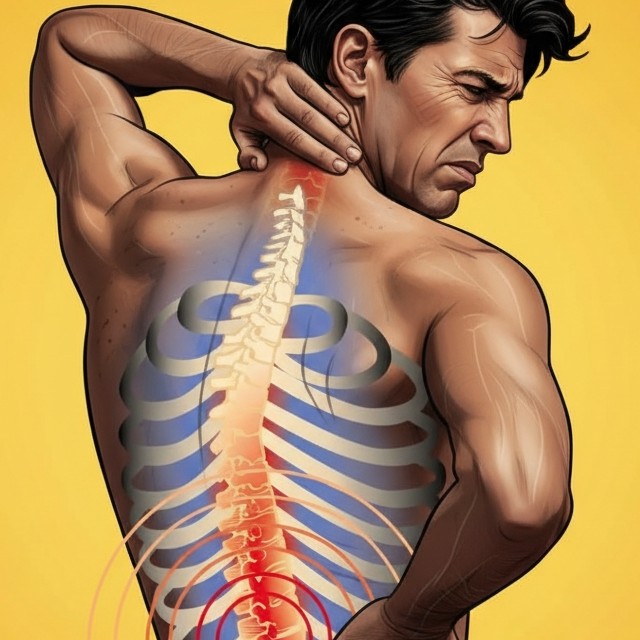
- lower back tension
- hip tightness
- restricted breathing patterns
The body essentially forgets how to fully relax.
Many people live in a constant low-level state of muscular guarding without even realising it.
Why Do Tight Muscles Affect Sleep?
Muscular tension and nervous system overload can make it difficult for the body to settle into deep, restorative sleep.
When muscles remain tight:
- the body stays physically uncomfortable
- movement during sleep increases
- circulation may reduce
- breathing patterns can become shallow
- relaxation becomes harder
People commonly experience:
- tossing and turning
- waking up sore
- restless sleep
- waking frequently during the night
- feeling exhausted in the morning
It becomes a frustrating cycle. Stress creates tension, tension affects sleep, poor sleep increases stress and the body remains trapped in a loop like a washing machine trying to digest a brick
What Areas Hold the Most Stress?
Stress-related muscular tension commonly builds in:
- neck
- shoulders
- upper back
- jaw
- hips
- lower back
Many Perth professionals spend entire days sitting, typing and leaning forward while stressed. This combination places enormous strain on posture and movement patterns.
The body adapts to these positions over time, creating chronic stiffness and restricted mobility.
How Does Stretch Therapy Help?
Stretch therapy helps encourage the body to move out of protective tension patterns.
At StretchFlex Perth, assisted stretching sessions focus on improving flexibility, mobility and muscular relaxation through guided movement.
Unlike quickly stretching at home for thirty seconds between scrolling social media, assisted stretch therapy allows:
- controlled movement
- targeted mobility work
- deeper muscle relaxation
- nervous system calming
- improved circulation
- better body awareness
Many clients report feeling both physically looser and mentally calmer after sessions.
What Is Nervous System Regulation?
The nervous system controls how relaxed or guarded the body feels.
When stress remains high, the body often stays in a sympathetic state, commonly called fight-or-flight mode. This can lead to:
- muscle tension
- shallow breathing
- increased heart rate
- sleep disruption
- fatigue
- physical tightness
Stretch therapy may help encourage the opposite state, known as parasympathetic activation, where the body shifts into recovery and relaxation mode.
This is one reason many people describe assisted stretching as helping them feel “lighter” or “reset” afterwards.
Why Modern Life Creates So Much Tension
The human body evolved for movement, variety and recovery. Modern lifestyles often provide the exact opposite.
Long periods of:
- sitting
- driving
- screen use
- repetitive movement
- stress
- poor posture
all contribute to muscular restriction and nervous system overload.
Even highly active people can experience chronic tightness if the body never fully recovers between stressors.
This is why searches for “Stretch Therapy Perth” and recovery-based wellness services continue growing rapidly.
Can Stretching Before Bed Improve Sleep?
Many people find gentle mobility work and stretching before bed helps the body relax more effectively.
Stretching may help:
- reduce muscular tension
- improve circulation
- calm the nervous system
- reduce stiffness
- support relaxation
However, deeper mobility restrictions often require more targeted approaches than basic home stretching.
Assisted stretch therapy helps address areas people may struggle to release alone, particularly around the hips, shoulders and spine.
Why Mobility Matters More Than People Think
Mobility is not just about flexibility or athletic performance.
Poor mobility can affect:
- posture
- sleep comfort
- recovery
- walking patterns
- breathing mechanics
- daily comfort
- stress levels
When the body moves poorly, muscles often compensate by tightening further.
Improving mobility may help reduce physical strain throughout daily life, allowing the body to feel less restricted overall.
Who Benefits Most from Stretch Therapy?
At StretchFlex Perth, clients come from many different backgrounds, including:
Common reasons people seek stretch therapy include:
- ongoing stiffness
- poor posture
- recovery support
- sleep-related discomfort
- stress tension
- reduced flexibility
- muscular tightness
Many clients are surprised how interconnected stress, movement and sleep truly are.
Final Thoughts
If you constantly wake up sore, feel physically tense or struggle to fully relax, your body may be carrying more stress than you realise.
Stretch therapy is not simply about flexibility. It is about helping the body move, recover and relax more effectively in a world that constantly encourages tension and overstimulation.
At StretchFlex, Perth locals are discovering that better movement and better sleep often begin with calming the body itself, not just the mind.
FAQs
Can stress really cause muscle tension?
Yes. Stress activates the nervous system and can cause muscles to remain partially contracted for long periods.
Can tight muscles affect sleep quality?
Absolutely. Tight muscles can create discomfort, restlessness and reduced relaxation during sleep.
What is stretch therapy?
Stretch therapy involves guided stretching techniques designed to improve mobility, flexibility and muscular relaxation.
Does assisted stretching help stress?
Many people report feeling calmer and more relaxed after assisted stretching sessions due to reduced muscular tension and nervous system relaxation.
Is stretch therapy only for athletes?
No. Stretch therapy benefits office workers, tradies, parents, older adults and anyone experiencing tightness or reduced mobility.
How often should I do stretch therapy?
Weekly or fortnightly sessions are common depending on lifestyle, stress levels and mobility goals.