If your hips always feel tight despite exercising, you’re not alone. Tight hips are often caused by prolonged sitting, muscle imbalances, limited joint mobility or poor movement patterns rather than simply a lack of stretching. At StretchFlex in Perth, personalised assisted stretching and mobility assessments help identify the underlying cause and improve movement safely and effectively.
Many people assume that exercising regularly should eliminate stiffness. In reality, exercise alone doesn’t always improve mobility.
At StretchFlex in Perth, one of the most common comments we hear is:
“I go to the gym three or four times a week, but my hips still feel tight.”
The reason is simple. Strength, fitness and mobility are not the same thing.
You might be lifting weights, running, cycling or playing sport several times each week, but if your muscles are constantly loaded without restoring their length and movement, your hips can gradually become tighter rather than more mobile.
The good news is that understanding why it happens is the first step towards improving it.
Common Causes of Tight Hips
Several factors contribute to restricted hip mobility.
Sitting for Long Periods
Even active people often spend eight or more hours each day sitting at work or in the car.
This shortened position places the hip flexors under constant tension, reducing their natural range of motion over time.
One hour in the gym rarely offsets an entire day of sitting.
Muscle Imbalances
Your hips rely on many muscles working together.
If some muscles become overactive while others weaken, your body compensates by changing the way you move.
This imbalance can create ongoing tightness, even if you’re stretching occasionally.
Repetitive Exercise
Running, cycling and weight training all involve repeated movement patterns.
Without adequate mobility work, tissues can gradually become less flexible, making everyday movements feel restricted.
Previous Injuries
Old ankle, knee or lower back injuries often change how your body moves without you realising it.
These compensation patterns commonly affect hip mobility.
Signs Your Hips May Need More Than Simple Stretching
You may benefit from a professional mobility assessment if you notice:
- Difficulty squatting deeply
- Lower back tightness after walking
- Reduced stride length when running
- Stiffness after sitting
- Pain getting out of the car
- Difficulty crossing your legs
- Reduced flexibility despite regular stretching
- One hip feels tighter than the other
These symptoms often point towards movement restrictions rather than simply “tight muscles.”
Why Stretching on Your Own Isn’t Always Enough
Many people spend five or ten minutes stretching after exercise but see little improvement.
That’s because effective mobility isn’t simply about pulling on a muscle.
True mobility considers:
- Joint movement
- Muscle length
- Fascia
- Nervous system responses
- Breathing
- Overall movement patterns
Stretching the wrong muscle or using poor technique can limit your progress.
This is where assisted stretching offers a significant advantage.
How Assisted Stretching Can Improve Hip Mobility
At StretchFlex, every session begins with understanding how your body moves.
Rather than following a generic stretching routine, assisted stretching is tailored to your individual needs.
Your therapist carefully guides your body through controlled movements designed to improve flexibility while maintaining comfort and proper alignment.
Many clients report improvements in:
- Walking comfort
- Gym performance
- Running technique
- Golf swing rotation
- Squat depth
- General movement
- Recovery after exercise
Because someone else performs the stretch, your muscles can often relax more completely than when stretching alone.
The Added Benefits of Red Light LED Therapy
StretchFlex also offers advanced Red Light LED Therapy to complement assisted stretching.
Using a medical-grade 9-wavelength system (480nm to 1060nm), the therapy delivers light energy into different tissue depths, supporting muscles, fascia and connective tissue.
When combined with assisted stretching, many clients find they feel:
- Less stiff
- Better recovered
- More mobile
- Ready to move with greater confidence
This combination creates a comprehensive approach to improving movement rather than simply treating symptoms.
Five Simple Ways to Keep Your Hips Moving Better
Improving hip mobility doesn’t stop after your appointment.
Here are some practical habits that can help:
Move Every Hour
Stand, walk or stretch briefly throughout the day instead of remaining seated for long periods.
Strengthen Your Glutes
Strong glute muscles support healthier hip movement and reduce unnecessary strain.
Warm Up Properly
Dynamic movements before exercise prepare your hips far better than static stretches alone.
Stay Consistent
Mobility improves through regular attention rather than occasional long stretching sessions.
Listen to Your Body
Persistent stiffness is your body’s way of telling you something needs attention.
Ignoring it often leads to further compensation elsewhere.
Why Perth Clients Choose StretchFlex
StretchFlex provides personalised assisted stretching in the Perth CBD, helping people improve flexibility, reduce stiffness and move with greater confidence.
Whether you’re an office worker, runner, golfer, tradie or simply noticing increasing stiffness as you get older, our tailored approach focuses on identifying the cause rather than temporarily masking the symptoms.
Every body moves differently, which is why every session is designed around your individual mobility needs.
If your hips feel tight no matter how much you exercise, it may be time for a different approach.
Frequently Asked Questions
Why are my hips tight even if I work out regularly?
Exercise improves strength and fitness, but it doesn’t always improve mobility. Sitting, repetitive movement patterns and muscle imbalances can all contribute to ongoing hip tightness.
Is assisted stretching better than stretching by myself?
Assisted stretching allows muscles to relax more fully while a trained therapist guides you safely through a greater range of motion tailored to your body.
Can tight hips cause lower back pain?
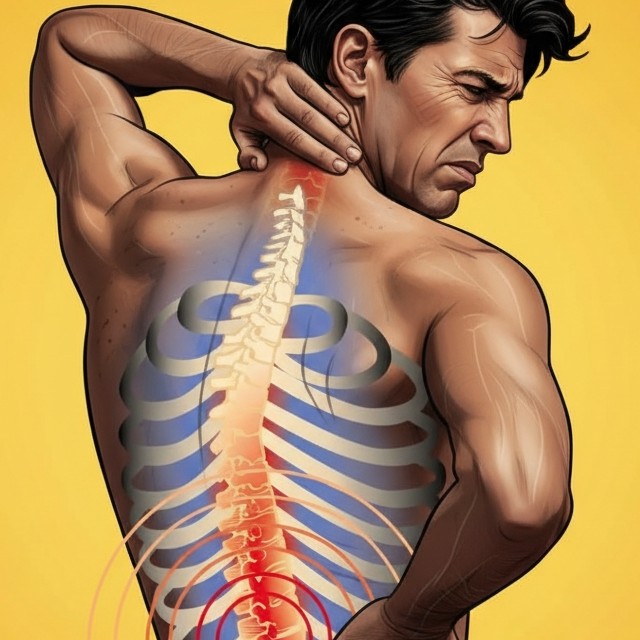
Yes. Restricted hip mobility often changes the way your pelvis and spine move, increasing stress on the lower back.
How often should I have assisted stretching?
The ideal frequency depends on your goals, activity level and mobility. Many clients begin with weekly sessions before moving to a maintenance schedule.
Does Red Light LED Therapy help with recovery?
Red Light LED Therapy is commonly used to support recovery, improve circulation and complement mobility-focused treatments when combined with assisted stretching.