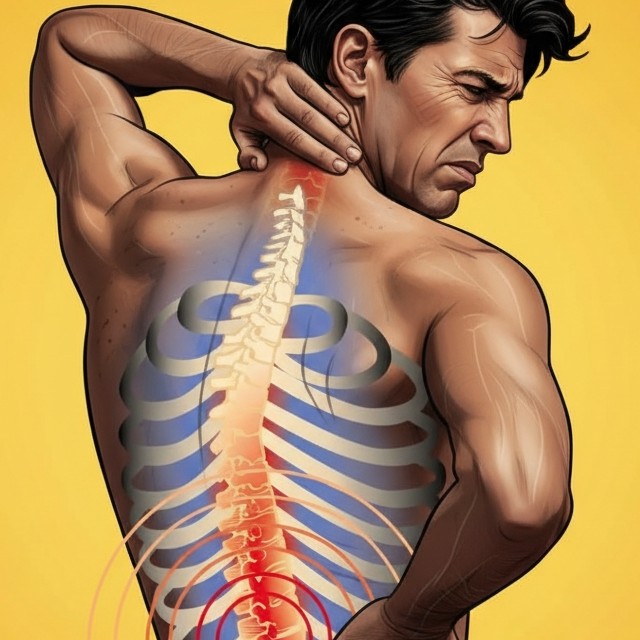
If you are asking why am I so stiff even though I exercise, the answer usually lies in limited mobility, repetitive movement patterns and nervous system restriction. Exercise builds strength and endurance, but without structured mobility work, range of motion can decline. StretchFlex helps Perth clients improve flexibility through guided assisted stretching.
If you regularly train but still feel tight, restricted or uncomfortable, you are not alone. Many active Perth adults experience stiffness despite consistent workouts. Understanding why this happens is the first step toward correcting it..
Why Exercise Alone Doesn’t Guarantee Flexibility
Strength training, running and group fitness classes are excellent for cardiovascular health and muscle development. However, most exercise programs prioritise output over mobility. Repeated loading patterns can shorten certain muscle groups while strengthening others. Over time, this imbalance reduces usable range of motion.
When muscles are repeatedly contracted through similar patterns, they adapt to those positions. For example, runners often develop tight hip flexors and calves. Desk workers who train after work may compound shortened hip positioning with heavy lifting. Without targeted flexibility work, stiffness becomes the new baseline.
The Nervous System Factor
When asking why am I so stiff even though I exercise, it is important to understand that tightness is often neurological rather than purely muscular. The nervous system restricts movement when it senses instability, fatigue or imbalance. This protective response limits flexibility to reduce perceived risk.
Quick stretches at the end of a workout rarely address this properly. They may create temporary relief but do not retrain the body’s tolerance to extended range. Structured mobility work is required to signal safety to the nervous system.
Repetitive Movement Patterns Create Restriction
Most fitness routines repeat similar motions. Squats, lunges, presses and running strides reinforce specific ranges. Over time, tissues adapt to these limited arcs. Areas commonly affected include:
• Hip flexors
• Hamstrings
• Thoracic spine
• Shoulders
• Calves
When one region loses mobility, other areas compensate. This compensation often creates secondary stiffness, especially in the lower back or upper shoulders.
Why Sitting Makes It Worse
Even active individuals often sit for prolonged periods. Sitting places the hips in flexion and reduces glute activation. When followed by training that loads similar patterns, stiffness increases rather than decreases.
This is one reason why many Perth professionals feel tight despite exercising regularly. Movement volume alone does not equal movement variety.
How Assisted Stretching Improves Usable Mobility
Unlike passive stretching at home, StretchFlex sessions stabilise joints and isolate muscles. This allows deeper, safer release without strain.
Flexibility Requires Intentional Work
Improving flexibility is not automatic. It requires controlled, progressive exposure to extended range. This is where structured mobility sessions become valuable.
StretchFlex works with Perth clients to improve usable flexibility through guided assisted stretching. Unlike passive stretching at home, sessions involve controlled positioning, joint stabilisation and progressive range work. This approach encourages the nervous system to safely allow greater movement.
Strength and Mobility Must Work Together
Mobility without strength can create instability. Strength without mobility can create restriction. Balanced training integrates both.
If you are consistently asking why am I so stiff even though I exercise, it may be time to assess whether your routine includes structured mobility progression. Stretching casually once per week is rarely sufficient to offset repetitive loading patterns.
Signs You May Need Targeted Mobility Work
• You feel tight even after warming up
• Your range of motion feels limited
• You struggle to maintain upright posture
• You experience recurring lower back or shoulder tension
• Your stride or lifting depth feels restricted
These signs indicate that strength is outpacing flexibility.
The Role of Assisted Stretching
Assisted stretching provides guided mobility in a controlled setting. The therapist stabilises specific joints while gradually increasing range in targeted muscles. This reduces compensation and allows deeper release.
For Perth clients at StretchFlex, sessions are tailored to current mobility levels and movement goals. Over time, consistent sessions may improve flexibility, posture and overall comfort.
Long-Term Mobility Matters
Flexibility naturally declines with age if not maintained. Waiting until stiffness becomes discomfort makes correction more difficult. Addressing restriction early helps maintain performance and daily comfort.
Mobility is not about touching your toes. It is about allowing joints to move freely without unnecessary strain. Whether you train for sport or general health, structured mobility supports long-term movement quality.
If stiffness persists despite regular exercise, your body may be asking for a different input. Strength builds capacity. Mobility builds freedom of movement.
Book Your Mobility Session
If you are ready to address the root cause of stiffness, StretchFlex provides structured assisted stretching sessions designed for Perth adults who want to move better.
FAQs
Why do my muscles feel tight after training?
Muscles may feel tight due to repetitive loading, limited recovery and restricted mobility patterns.
Is stretching after a workout enough?
Light stretching helps temporarily, but structured mobility progression is often required for lasting flexibility improvements.
How often should I work on flexibility?
Consistency is important. Many people benefit from weekly mobility sessions combined with at-home movement practice.