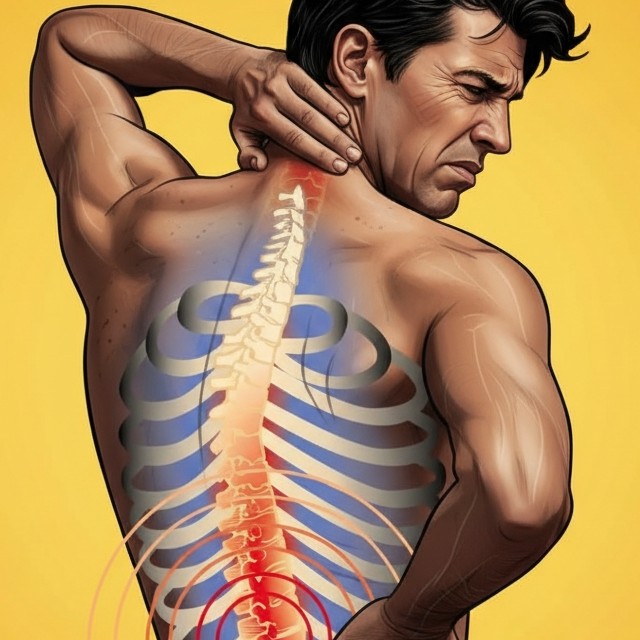
If you feel stiff after sitting all day, your body is responding to prolonged inactivity rather than simply “getting older.” Hours spent at a desk can shorten muscles, reduce joint mobility and affect posture. Assisted stretching can help restore movement, improve flexibility and make everyday activities feel more comfortable.
Why Does Sitting Make Your Body Feel So Stiff?
Many people spend eight or more hours each day sitting.
Whether you’re working in an office, driving between appointments or working from home, your body remains in the same position for extended periods.
While sitting itself isn’t harmful, staying in one position for too long can reduce circulation, shorten certain muscles and decrease joint mobility.
This is why standing up after a long meeting or a full day’s work often feels uncomfortable.
At StretchFlex in Perth, we regularly see clients who exercise several times a week but still experience stiffness because they spend most of their working day seated.
What Happens to Your Body When You Sit for Long Periods?
Your body is designed for movement.
When movement is reduced, several changes begin to occur.
Hip Flexors Become Shorter
Keeping your hips bent for hours at a time places the hip flexor muscles in a shortened position.
Over time, this can reduce flexibility and affect how comfortably you walk, squat or climb stairs.
Hamstrings Tighten
Although you’re sitting still, your hamstrings can gradually lose flexibility, making bending and everyday movement feel more restricted.
The Spine Loses Mobility
Remaining in the same posture limits movement through the spine, contributing to feelings of stiffness when you finally stand.
Neck and Shoulders Become Tense
Looking at computer screens throughout the day often leads to forward head posture and increased tension through the upper back and shoulders.
Signs Your Desk Job May Be Affecting Your Mobility
You might benefit from improving your mobility if you notice:
- Stiffness when standing up
- Tight hips after work
- Neck and shoulder tension
- Lower back stiffness
- Reduced flexibility during exercise
- Difficulty bending to tie your shoes
- Feeling older than you should
- Needing several minutes before moving comfortably
These are common signs that your body needs more movement throughout the day.
Why Stretching Alone Doesn’t Always Solve the Problem
Many people perform a few quick stretches after work but notice little difference.
That’s because stiffness caused by prolonged sitting often involves more than individual muscles.
Movement restrictions can affect:
- Joints
- Fascia
- Muscle coordination
- Posture
- Breathing patterns
- Overall movement mechanics
A personalised approach often produces better long-term results than following a generic stretching routine.
How Assisted Stretching Helps Office Workers
At StretchFlex, every assisted stretching session begins with understanding how your body moves.
Rather than treating everyone the same, we assess movement restrictions and tailor each session to your individual needs.
Your therapist guides your body through controlled stretches while helping muscles relax more completely than is often possible when stretching alone.
Many office workers report improvements in:
- Hip flexibility
- Neck and shoulder mobility
- Walking comfort
- Posture
- General movement
- Exercise performance
- Everyday comfort
Supporting Recovery with Red Light LED Therapy
StretchFlex also offers medical-grade Red Light LED Therapy to complement assisted stretching.
Our advanced 9-wavelength LED system (480nm to 1060nm) delivers therapeutic light energy into muscles, fascia and connective tissues.
Combined with assisted stretching, many clients feel:
- Less stiff after work
- Better recovered
- More mobile
- More comfortable moving throughout the day
This integrated approach focuses on improving movement rather than simply providing temporary relief.
Five Easy Ways to Stay Mobile at Work
Move Every Hour
Stand, walk or stretch for a few minutes every hour to keep your joints moving.
Change Your Position Frequently
Alternate between sitting and standing where possible.
Walk During Phone Calls
Small changes throughout the day add up quickly.
Stretch Before Driving Home
Simple mobility exercises after work can reduce accumulated stiffness.
Book Regular Mobility Sessions
Consistent assisted stretching helps maintain flexibility and supports long-term movement.
Why Perth Professionals Choose StretchFlex
StretchFlex helps busy Perth professionals improve mobility through personalised assisted stretching and advanced recovery therapies.
Whether you’re working in an office, driving for work, managing a business or working from home, improving your mobility can help you feel more comfortable both at work and outside it.
Every session is tailored to your body, your lifestyle and your movement goals.
If sitting all day is leaving you feeling stiff, StretchFlex can help you move more freely again.
Frequently Asked Questions
Why do I feel stiff after sitting all day?
Remaining in one position for long periods shortens muscles, reduces joint movement and limits circulation, leading to stiffness when you stand.
Can assisted stretching help office workers?
Yes. Assisted stretching helps improve flexibility, mobility and posture, making it particularly beneficial for people who spend much of the day sitting.
How often should office workers stretch?
Regular daily movement is important, while personalised assisted stretching sessions can help address longer-term mobility restrictions.
Is Red Light LED Therapy suitable alongside stretching?
Many clients combine Red Light LED Therapy with assisted stretching to support recovery and improve mobility.
Can improving hip mobility reduce lower back stiffness?
Often, yes. Better hip mobility can reduce unnecessary strain on the lower back and improve overall movement.