Why Do I Feel Stiff All the Time? | Body Stiffness Treatment Perth
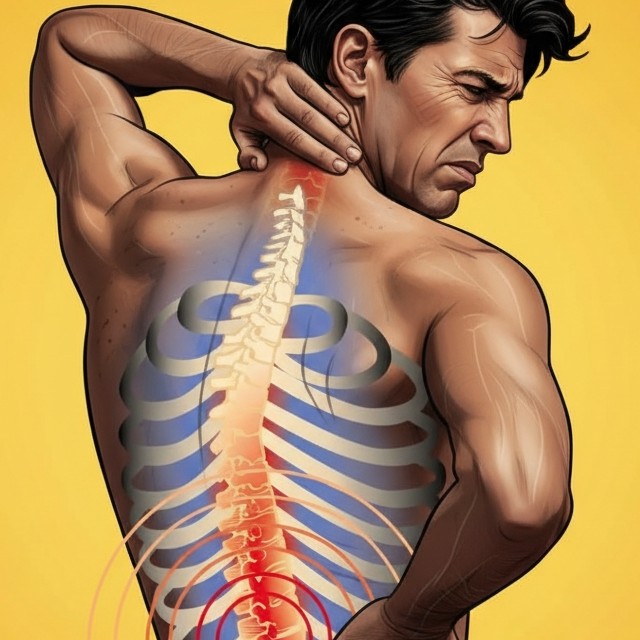
If your body feels stiff every morning, tight after sitting, or sore even when you haven’t done much exercise, you are not alone. More people across Perth are searching for answers to chronic tightness, reduced flexibility, neck tension, sore hips and aching backs than ever before. At StretchFlex, assisted stretching is helping people understand that stiffness is often not simply about ageing or exercise. It is frequently connected to modern lifestyles, stress, posture, nervous system overload and reduced movement patterns.
Many people assume stiffness only affects athletes or older adults. In reality, office workers, tradies, parents, drivers, gym-goers and even teenagers are increasingly experiencing tight muscles and reduced mobility due to long periods of sitting, repetitive movements and stress-related tension.
Feeling stiff all the time is commonly linked to poor posture, sedentary lifestyles, stress, muscular guarding and reduced mobility. Assisted stretching can help improve flexibility, reduce tightness and restore movement by targeting muscles and fascia that become restricted through daily life and nervous system overload.
Why Does My Body Feel Stiff All the Time?
Your body is designed for movement. Modern life, unfortunately, often resembles a decorative pot plant existence with Wi-Fi
Long hours at desks, driving, scrolling phones, gym overtraining and stress can cause muscles and connective tissue to tighten over time. This creates restriction in movement patterns and can lead to discomfort, fatigue and ongoing soreness.
Common causes of body stiffness include:
- Sitting for long periods
- Poor posture
- Lack of mobility training
- Stress and anxiety
- Muscle overuse
- Previous injuries
- Reduced circulation
- Dehydration
- Poor recovery habits
- Sleep issues
At StretchFlex, many Perth clients are surprised to learn their stiffness is not necessarily caused by weakness. Often, it is the nervous system placing protective tension around muscles and joints.
How Does Sitting Affect Muscle Tightness?
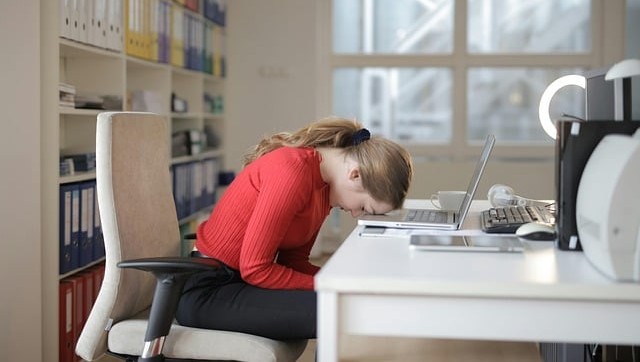
Extended sitting places the body into shortened positions for hours at a time. Hip flexors tighten, glutes weaken, shoulders round forward and the spine loses mobility.
Over time, the body adapts to these restricted positions. Muscles become less elastic and fascia can stiffen like cling wrap left too long in the sun.
People commonly notice:
- tight hips
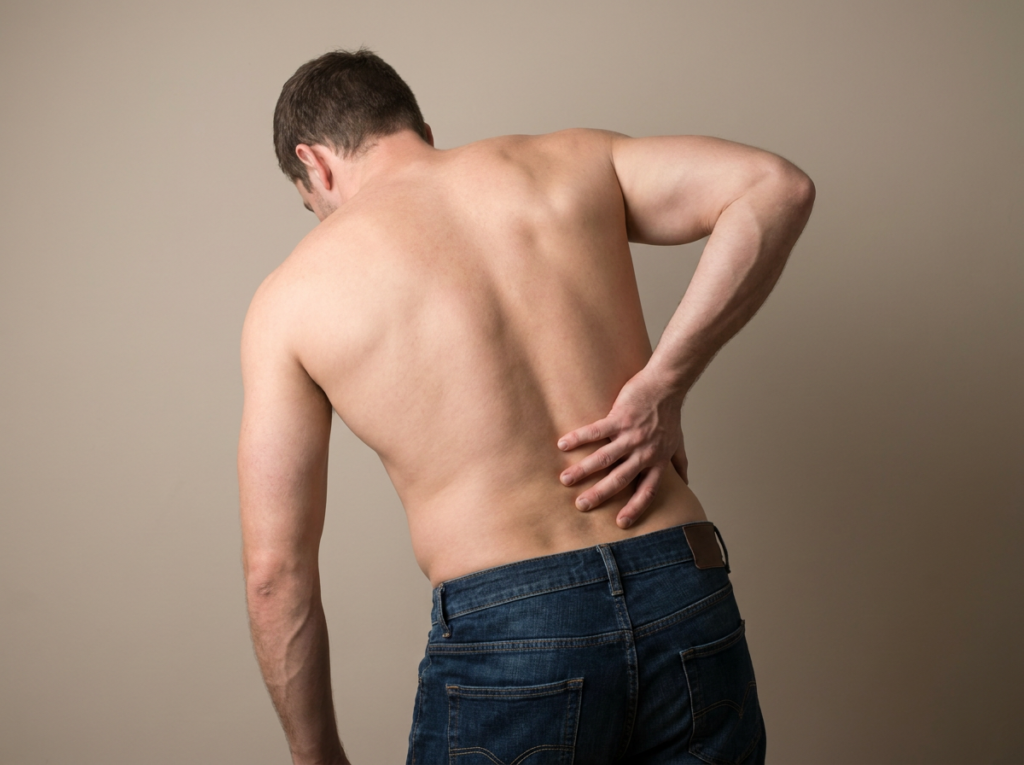
- sore lower backs
- stiff necks
- hamstring tightness
- shoulder pain
- reduced flexibility
- headaches
This is one reason searches for “Body Stiffness Treatment Perth” continue to rise as more people seek alternatives beyond temporary relief.
Can Stress Make Your Body Feel Tight?
Yes. Stress has a major impact on muscular tension.
When the nervous system stays in a fight-or-flight state, muscles often remain partially contracted for long periods. This can create:
- neck tension
- jaw clenching
- shoulder tightness
- upper back pain
- reduced breathing patterns
- poor sleep
Many people stretch briefly at home but never fully release tension because the nervous system itself remains guarded.
Assisted stretching helps encourage relaxation while guiding muscles safely through a greater range of motion. This can help calm muscular guarding and improve overall movement quality.
What Is Assisted Stretching?
Assisted stretching involves a trained professional helping move your body through controlled stretches designed to improve mobility, flexibility and muscular function.
Unlike stretching alone, assisted stretching allows:
- deeper stretch control
- improved positioning
- targeted mobility work
- safer movement patterns
- greater muscle relaxation
- better range of motion
At StretchFlex Perth, sessions are tailored to the individual. A desk worker with neck tension requires a very different approach to a runner recovering from heavy training.
Why Stretching Alone Sometimes Doesn’t Work
Many people attempt stretching at home but struggle to see long-term improvement.
This often happens because:
- stretches are rushed
- muscles remain guarded
- incorrect techniques are used
- people compensate around tight areas
- the body never fully relaxes
A common example is hamstring tightness. Often the problem is not actually the hamstring itself, but restrictions through the hips, lower back or nervous system tension patterns.
Professional assisted stretching helps identify these movement restrictions more effectively.
Is Stiffness Just Part of Getting Older?
Not necessarily.
While ageing can naturally reduce flexibility over time, excessive stiffness is often more related to inactivity and lifestyle than age alone.
Many people in their 40s, 50s and beyond improve mobility significantly through regular movement and stretching routines.
At StretchFlex, clients often report improvements such as:
- easier movement
- less morning tightness
- improved posture
- better gym performance
- easier walking
- reduced soreness
- improved flexibility
- better recovery
The body responds remarkably well when movement is restored consistently.
What Areas Become Tightest First?
Modern lifestyles commonly affect:
- hips
- hamstrings
- calves
- shoulders
- chest
- neck
- lower back
Phone use and desk posture particularly affect the upper body. Many Perth professionals unknowingly spend hours with shoulders elevated and necks pushed forward while working.
This repetitive positioning creates muscular imbalance and long-term restriction.
Can Assisted Stretching Improve Mobility?
Yes. Mobility improvements are one of the biggest reasons people book assisted stretching sessions.
Mobility refers to how well joints and muscles move through their full range safely and efficiently. Poor mobility can affect:
- exercise performance
- walking patterns
- posture
- recovery
- lifting mechanics
- balance
- injury risk
Regular assisted stretching may help improve:
- flexibility
- circulation
- posture
- muscular recovery
- movement efficiency
- body awareness
Many people also describe feeling mentally calmer after sessions due to reduced physical tension.
Why Perth Locals Are Turning to Stretch Therapy
Modern work habits, long commutes and increased screen time are creating what many movement professionals call “the sitting epidemic”.
Perth locals are increasingly looking for proactive wellness approaches instead of waiting until discomfort becomes chronic.
Assisted stretching is becoming popular because it supports:
- mobility
- recovery
- flexibility
- posture
- relaxation
- athletic performance
- movement longevity
StretchFlex combines assisted stretching with modern recovery techniques designed to help clients move more freely and feel less restricted in daily life.
Final Thoughts
If you constantly feel stiff, sore or tight, your body may be asking for movement rather than more rest.
The good news is that stiffness is often highly manageable with the right approach. Assisted stretching helps address muscular restriction, posture issues and nervous system tension in a guided and personalised way.
At StretchFlex, Perth clients are discovering that better mobility is not just about touching your toes. It is about moving through life with less restriction, better recovery and greater comfort every day.
FAQs
Why do I feel stiff even when I exercise?
Exercise alone does not always improve mobility. Repetitive training, stress and poor recovery can still create muscular tightness and restricted movement patterns.
Can stress really make muscles tight?
Yes. Stress activates the nervous system and can cause muscles to remain partially contracted for long periods, especially around the neck, shoulders and jaw.
Is assisted stretching painful?
Assisted stretching should feel controlled and manageable. Sessions are tailored to individual comfort and flexibility levels.
How often should I do assisted stretching?
Many people benefit from weekly or fortnightly sessions depending on their lifestyle, training and mobility goals.
Does stretching help posture?
Improving mobility and reducing muscular restriction can help support better posture and movement mechanics.
Is assisted stretching only for athletes?
No. StretchFlex works with office workers, tradies, older adults, gym-goers and anyone wanting to improve movement and reduce stiffness.