Stretching for office workers is essential because sitting for long hours shortens muscles, stiffens joints, and quietly drains mobility. Assisted stretching helps counteract screen-related tension by restoring movement, improving posture, and reducing everyday aches so your body feels more comfortable, capable, and energised again.
At StretchFlex, we see it every day. Smart, capable people whose work lives happen mostly behind a screen, wondering why their neck feels locked, their hips feel rusty, and their lower back complains the moment they stand up. This article explains what sitting all day really does to the body and how assisted stretching offers a practical way to undo the damage without adding another workout to your schedule.
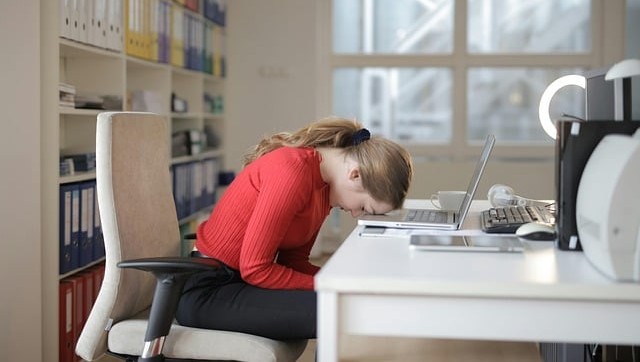
The human body was never designed to sit for eight to ten hours a day. When you sit, especially at a desk, certain muscles stay switched on while others switch off. Hip flexors shorten, glutes disengage, hamstrings tighten, and the upper back rounds forward. Over time, this becomes your body’s new normal, even outside work hours.
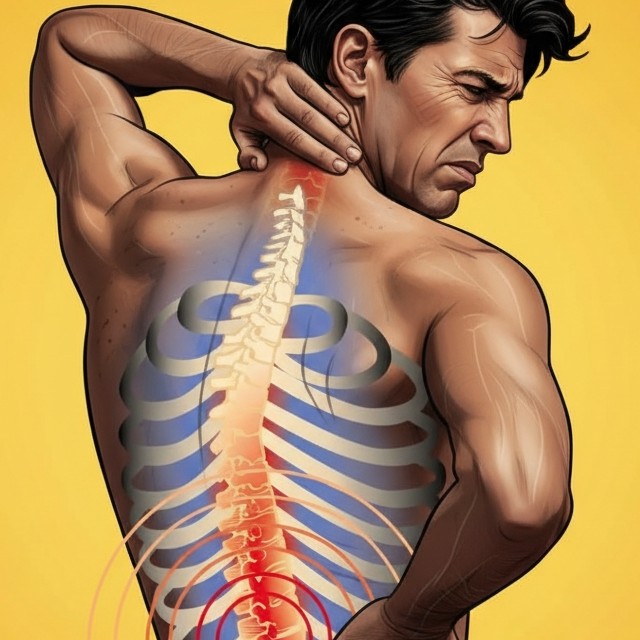
Screens add another layer to the problem. Leaning toward a laptop or phone pulls the head forward, loading the neck and shoulders far beyond what they’re built to handle. This tension doesn’t disappear when the laptop closes. It lingers during sleep, exercise, and even weekends, which is why many office workers feel stiff despite being otherwise active.
Stretching for Office Workers
Stretching for office workers is not about touching your toes or holding awkward poses at your desk. It’s about restoring balance to a body that has adapted too well to sitting. Assisted stretching targets the areas most affected by desk work, including hips, lower back, chest, shoulders, and neck, helping them return to a healthier resting length.
One of the reasons office-related stiffness is so persistent is that self-stretching often doesn’t reach the deeper restrictions. When you’re already fatigued or stressed, the nervous system tends to guard tight areas. Assisted stretching allows your body to relax into movement while a trained professional guides the stretch safely and effectively.
Many clients are surprised by how much better they feel after just one session. Standing feels easier. Walking feels smoother. Turning the head doesn’t require a full torso rotation. These small wins add up quickly and often improve concentration, energy levels, and overall comfort at work.
The Impact of Prolonged Sitting on the Body
Another overlooked impact of prolonged sitting is how it affects movement confidence. When bending down, twisting, or standing up feels stiff or awkward, people unconsciously avoid movement. Over time, this avoidance reduces overall activity, which feeds back into more stiffness. Assisted stretching helps break that cycle by making movement feel accessible again.
Stretching for office workers also supports better posture, not by forcing you to “sit up straight”, but by giving your body the mobility it needs to hold healthier positions naturally. When tight muscles release and joints move more freely, posture improves without constant effort or reminders.
This type of stretching is ideal for people who don’t want another intense workout. Sessions are calm, controlled, and focused on recovery rather than exertion. It fits easily around work schedules and pairs well with walking, gym sessions, yoga, or no formal exercise at all.
Stretching for Office Workers Personalised in Your Sessions
At StretchFlex, assisted stretching for office workers is personalised. We look at how you sit, where you feel tight, and what movements feel restricted in daily life. Sessions are then tailored to your body, not a generic desk-worker checklist.
The goal is simple. To help you feel less stiff, less sore, and more comfortable in your body, both at work and outside of it. When your body moves better, everything else tends to feel easier, too.
If you sit most of the day, your body is working harder than you realise just to cope. Stretching for office workers isn’t a luxury; it’s maintenance. And like all good maintenance, it prevents small issues from becoming bigger ones.
FAQs
Why does sitting all day make me so stiff?
Sitting shortens certain muscles and reduces joint movement, especially in the hips, back, and shoulders.
Can assisted stretching help neck and shoulder tension from screens?
Yes. Assisted stretching targets the muscles most affected by forward head posture and prolonged screen use.
How often should office workers stretch professionally?
Many people benefit from weekly or fortnightly sessions, depending on work hours and activity levels.
Is assisted stretching strenuous?
No. Sessions are gentle, controlled, and designed to support recovery rather than exhaust you.
Do I need to be flexible already?
Not at all. Assisted stretching is especially helpful if flexibility feels limited.