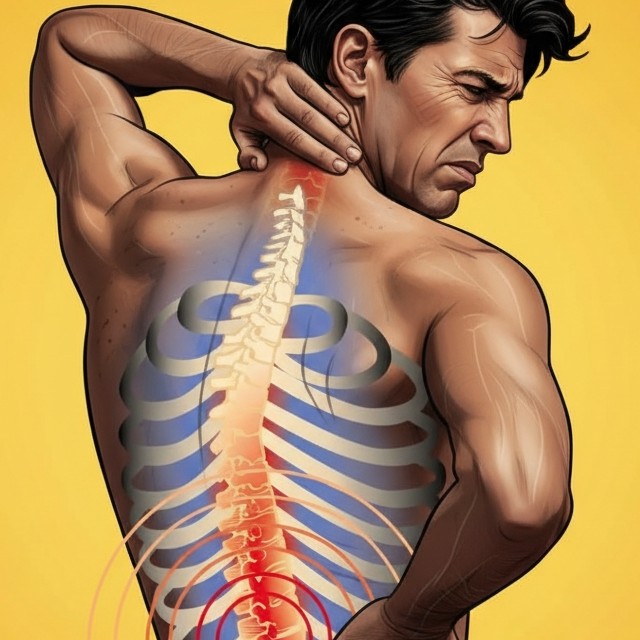
Sports recovery stretching is one of the most effective ways to help active bodies recover faster, move better, and reduce injury risk. While rest days matter, they don’t address muscle tightness, joint restriction, or imbalances caused by training. Assisted stretching fills that gap by actively restoring mobility, circulation, and range of motion so your body is ready for the next session.
At StretchFlex, we work with active Perth locals who want more from their recovery than a foam roller and crossed fingers. This article explains why sports recovery stretching matters, who it’s for, and how it supports performance, longevity, and everyday movement.
Why Rest Days Alone Aren’t Enough for Active Bodies
When people think about recovery, they usually imagine sleep, protein, ice baths, or a day off training. All of those help, but none of them actively lengthen tight muscles or restore joint movement. Training creates micro-stress in the body, especially when you repeat the same movements over and over. Over time, muscles shorten, fascia tightens, and joints lose freedom. That’s when niggles creep in, performance plateaus, and injuries become more likely.
How Assisted Stretching Supports Faster Recovery
Sports recovery stretching is about giving your body the reset it doesn’t get on its own. Instead of passively waiting for soreness to fade, assisted stretching works directly on restricted areas to improve circulation, release tension, and bring your body back into balance. This is particularly important for people who train regularly, play social sport, lift weights, run, cycle, or combine physical work with exercise.
One of the biggest misconceptions in fitness is that stretching and mobility are the same thing. Mobility includes strength and control through range, while stretching focuses on length and release. Many active people are strong but tight, which limits how well that strength can be used. Sports recovery stretching supports mobility by creating space in the joints and muscles so movement feels smoother, lighter, and more efficient.
Assisted stretching takes this a step further by using a trained professional to guide your body through precise ranges you simply can’t achieve alone. When you stretch yourself, your nervous system often resists, especially if you’re already fatigued. With assisted stretching, the body can relax into the movement, allowing deeper and safer release without forcing or bouncing.
Who Sports Recovery Stretching Is Best Suited For
For athletes and active people, the benefits go well beyond feeling looser. Sports recovery stretching helps improve training consistency by reducing post-session stiffness and delayed muscle soreness. It supports better posture and alignment, which can improve running mechanics, lifting form, and overall movement quality. Many clients notice they feel lighter, quicker, and more connected to their body after regular sessions.
Another overlooked benefit is injury prevention. Tight hips, hamstrings, calves, and shoulders often compensate for each other. Over time, these compensations place stress where the body isn’t designed to handle it. By restoring balance and symmetry, assisted stretching helps reduce the risk of overuse injuries that sideline so many active people.
Sports recovery stretching is not just for elite athletes. It’s ideal for everyday Perth locals who train before or after work, play weekend sport, or stay active to support their long-term health. Tradies who train, parents juggling gym sessions with long days, runners preparing for events, and gym members pushing personal bests all benefit from structured recovery support.
Why Assisted Stretching in Perth Works So Well
What makes assisted stretching different from classes or YouTube routines is personalisation. No two bodies move the same way, and no two training loads are identical. Sessions are tailored to how you train, where you hold tension, and what your body needs right now. This makes recovery more efficient and far more effective than generic stretching.
The Performance and Injury-Prevention Benefits of Recovery Stretching
At StretchFlex, sports recovery stretching is designed to complement your training, not replace it. Sessions work alongside your gym program, sport schedule, or rehab plan to help your body keep up with your goals. Whether you’re training hard, returning after time off, or simply want to move better and feel less stiff, assisted stretching provides a practical, supportive solution.
How Often Active People Should Focus on Recovery
Recovery isn’t about doing nothing. It’s about doing the right things at the right time so your body stays capable, resilient, and ready. Sports recovery stretching bridges the gap between effort and repair, helping you train smarter and move with confidence. Make your first booking with StretchFlex and see the difference in your sporting capabilities.
FAQs
Is sports recovery stretching suitable if I’m sore or tight?
Yes. Assisted stretching is designed to work with your body’s current state, helping reduce stiffness and improve circulation without aggressive force.
How often should active people do recovery stretching?
Most active clients benefit from one session per week, with frequency adjusted based on training load and intensity.
Can assisted stretching replace warm-ups or cool-downs?
It complements them rather than replaces them, supporting deeper recovery between sessions.
Is sports recovery stretching only for athletes?
No. It’s ideal for anyone who trains, plays sport, or lives an active lifestyle.
Does assisted stretching help prevent injuries?
While no method guarantees injury prevention, improved mobility and balance significantly reduce common risk factors.