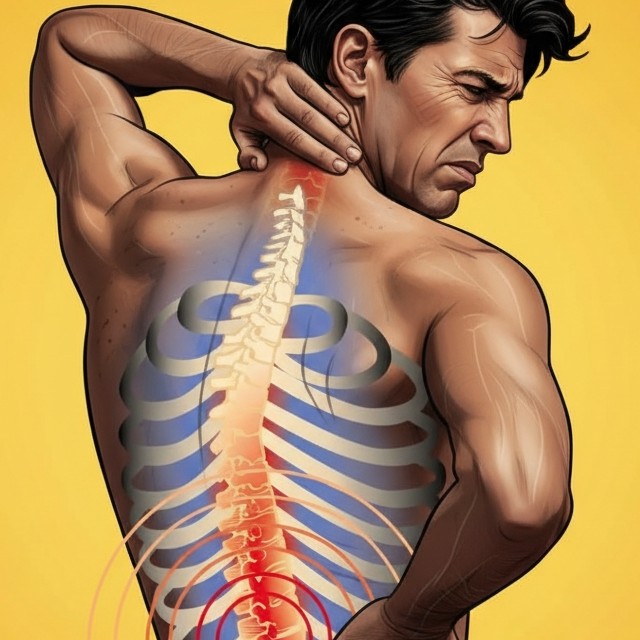
If everyday movements like bending down, tying shoes, or lifting children feel harder than they used to, it’s a sign your mobility and flexibility need support. Assisted stretching helps restore movement, reduce stiffness, and make daily life feel easier without intense exercise or complicated routines.
At StretchFlex, we meet plenty of Perth locals who don’t consider themselves injured or unfit, yet quietly notice that simple movements now come with effort. This article explores why everyday mobility declines, what it means for daily life, and how assisted stretching can help you move with more ease and confidence again.
Mobility doesn’t disappear overnight. It fades slowly, often without pain, until one day you notice tying your shoes takes planning or picking something up from the floor feels awkward. These changes are usually brushed off as ageing, but in reality they’re the result of muscles tightening, joints stiffening, and movement patterns narrowing over time.
Modern Life and Mobility
Modern life accelerates this process. Sitting for long periods, repetitive work, reduced variety of movement, and stress all signal the body to conserve rather than explore range. The result is a body that can still function, but no longer moves freely or comfortably through everyday tasks.
When mobility is limited, people often adapt without realising. They avoid bending fully, twist from the knees instead of the hips, or use momentum rather than control. These small compensations add strain elsewhere and gradually increase the risk of discomfort, balance issues, and fatigue.
Improving mobility and flexibility isn’t about becoming hyper-flexible or athletic. It’s about reclaiming the movement you need for real life. Getting up and down from the floor. Reaching overhead. Turning easily. Carrying children or groceries. Moving without hesitation or stiffness.
Assisted stretching supports this by gently guiding the body back into ranges it has stopped using. Unlike self-stretching, which can feel forced or rushed, assisted stretching allows the nervous system to relax. This makes it easier for muscles to lengthen safely and joints to move more smoothly.
Powerful Aspects of Assisted Stretching
One of the most powerful aspects of assisted stretching is that it meets your body where it is. Sessions aren’t about pushing limits or chasing discomfort. They’re about restoring balance and confidence in movement, which is especially important for people who feel cautious or unsure about stretching on their own.
Many clients notice changes that go beyond flexibility. Standing feels more upright. Walking feels lighter. Movements feel less effortful. These improvements often bring a sense of relief and reassurance that the body isn’t failing, it just needed attention.
Improving mobility and flexibility also supports independence. Being able to move comfortably means staying involved in daily activities, family life, hobbies, and exercise without fear of strain. For parents and grandparents, it means enjoying time on the floor, at the park, or in the backyard without bracing for stiffness later.
Connection Between Mobility and Confidence
There’s also a strong connection between mobility and confidence. When movement feels unpredictable or restricted, people tend to hold back. Assisted stretching helps rebuild trust in your body by making movement feel reliable again.
At Stretch Flex, mobility-focused assisted stretching is personalised. We look at how you move, what feels restricted, and which everyday tasks are becoming challenging. Sessions are then tailored to support the movements that matter most to your life, not a generic flexibility goal.
This approach suits a wide range of people. Busy professionals who feel stiff outside work. Parents juggling family and careers. Older adults who want to stay active and capable. Anyone who wants to move well without committing to intense training.
Improving mobility and flexibility isn’t about turning back the clock. It’s about making today easier and tomorrow more comfortable. When your body moves better, daily life feels less demanding and more enjoyable.
If bending, reaching, or lifting feels harder than it should, your body isn’t broken. It’s asking for care. Assisted stretching offers a calm, effective way to respond, helping you move through life with greater ease.
FAQs
Is it normal to lose mobility as you get older?
Some change is common, but much of it comes from reduced movement rather than age alone.
Can assisted stretching help with everyday stiffness?
Yes. Assisted stretching targets tight areas that limit daily movement and helps restore comfort and range.
Do I need to be active to benefit from mobility stretching?
No. Many people who benefit most are not currently exercising regularly.
Is assisted stretching safe if I feel stiff or cautious?
Yes. Sessions are gentle, controlled, and adapted to your comfort level.
How long before I notice improvements?
Many people notice changes in how they move and feel after the first few sessions.