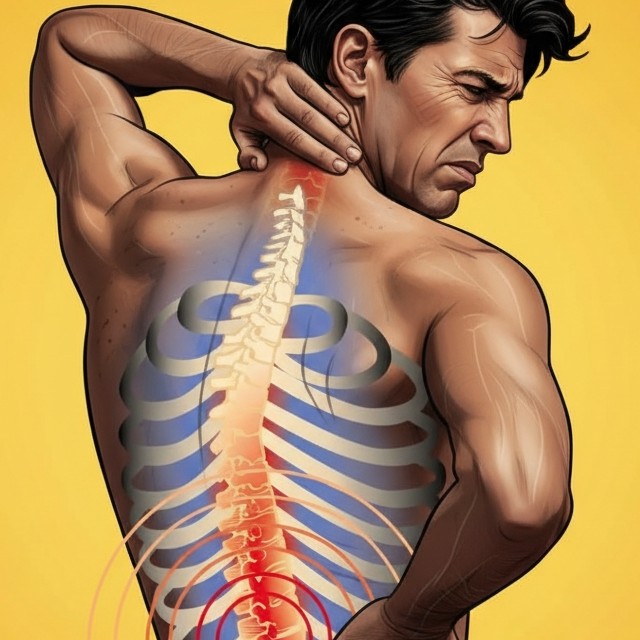
At StretchFlex, Perth’s trusted assisted stretching studio, we regularly meet clients who are already investing in their bodies through massage but still feel tight, restricted, or not quite “fixed.” That leads to a very common question: is assisted stretching vs massage Perth a better option for long-term results? The truth is, both have their place, but they serve different purposes. If your goal is to improve flexibility, movement, and posture rather than just temporary relief, understanding the difference can help you make a far better decision for your body.
Assisted stretching improves flexibility, mobility, and movement patterns, while massage focuses on muscle relaxation and short-term tension relief. At StretchFlex in Perth, assisted stretching is ideal for long-term results, especially when tightness keeps returning. Massage can complement stretching, but it rarely fixes underlying movement issues on its own.
Is Assisted Stretching Better Than Massage for Tight Muscles?
Assisted stretching is often better than massage for improving long-term flexibility and mobility, while massage is more effective for short-term muscle relaxation. If tightness is caused by restricted movement or poor posture, assisted stretching addresses the root cause, whereas massage mainly treats the symptom.
Massage works by manipulating soft tissue, increasing blood flow, and reducing muscle tension. It feels great, and for many people, it provides immediate relief.
However, that relief is often temporary because the underlying restriction, how your body moves, remains unchanged.
Assisted stretching, on the other hand, focuses on lengthening muscles, improving joint range, and retraining movement patterns. This creates longer-lasting changes in how your body functions, not just how it feels in the moment.
How Assisted Stretching and Massage Work Differently
Massage targets muscle tissue to reduce tension and promote relaxation, while assisted stretching focuses on improving flexibility and joint mobility through guided movement. The key difference is that stretching actively changes how your body moves, whereas massage primarily changes how your muscles feel.
Massage Approach:
- Applies pressure to relieve muscle knots and tension
- Increases circulation and relaxation
- Provides short-term relief from tightness
Assisted Stretching Approach:
- Moves joints through controlled ranges of motion
- Lengthens tight muscles safely and effectively
- Improves posture and movement efficiency
Think of massage as hitting the “reset” button on tension, while assisted stretching rewires how your body moves going forward.
Benefits of Assisted Stretching vs Massage
- Assisted stretching improves flexibility and range of motion
- Massage reduces immediate tension and stress
- Assisted stretching supports posture correction
- Massage promotes relaxation and recovery
- Assisted stretching helps prevent recurring tightness
- Massage is ideal for short-term relief
In practical terms, many Perth clients use massage for relaxation or recovery days, while relying on assisted stretching for ongoing mobility and performance improvements.
Common Mistakes When Choosing Between the Two
A common mistake is relying solely on massage for ongoing tightness. While it can feel effective, the same areas often tighten up again within days.
Another mistake is assuming more pressure equals better results. In reality, deeper pressure does not fix movement restrictions.
Some people also try to stretch on their own after massage but lack the technique to make meaningful changes.
The smartest approach is understanding the role each service plays rather than expecting one to do everything.
Assisted Stretching vs Massage – Which Should You Choose?
If you are deciding between the two, here is a simple breakdown:
- Choose assisted stretching if your goal is flexibility and mobility
- Choose massage if your goal is relaxation and stress relief
- Choose assisted stretching for posture correction
- Choose massage for short-term muscle soreness
- Choose assisted stretching if tightness keeps returning
- Choose both if you want a complete body care routine
If you want lasting results and improved movement, assisted stretching is the stronger long-term investment. Massage works best as a complementary service rather than a standalone solution for chronic tightness.
Costs, Frequency, and What to Expect
Costs vary depending on session length and provider, but both services are typically priced similarly per session in Perth.
The real difference comes down to outcomes.
Massage often needs to be repeated frequently for ongoing relief. Assisted stretching, when done consistently, tends to produce longer-lasting improvements in mobility and flexibility.
Most clients benefit from 1 to 2 assisted stretching sessions per week initially, then tapering into maintenance.
Why This Matters for Perth Locals
Perth lifestyles often involve long hours sitting, physical work, or a mix of both. From the CBD to suburbs like Como, Fremantle, and beyond, the pattern is the same, tight hips, restricted movement, and recurring muscle tension.
Many people cycle through massage regularly without solving the root issue.
That is where assisted stretching stands out. It offers a structured, guided approach that aligns with how Perth locals actually live, work, and move.
Key Takeaways
- Massage relieves tension, assisted stretching improves movement
- Assisted stretching delivers longer-term results for flexibility
- Massage is ideal for relaxation but not always for lasting change
- Combining both can create a well-rounded recovery routine
- StretchFlex provides tailored assisted stretching for Perth clients
If you’re tired of tight muscles coming back again and again, it might be time to shift from temporary relief to long-term results.
Book a session with StretchFlex and experience the difference assisted stretching can make.
FAQs
Is assisted stretching better than massage?
It depends on your goal. Assisted stretching is better for improving flexibility and movement, while massage is better for relaxation and short-term relief.
Can I do both massage and assisted stretching?
Yes, many people benefit from combining both, using massage for relaxation and assisted stretching for long-term mobility.
How often should I get assisted stretching?
Most people start with 1 to 2 sessions per week and then move to maintenance sessions as mobility improves.
Why does tightness come back after a massage?
Because massage does not change movement patterns or flexibility, the underlying cause of tightness often remains.
Is assisted stretching worth it compared to massage?
If your goal is long-term improvement in flexibility and posture, assisted stretching is often the better investment.