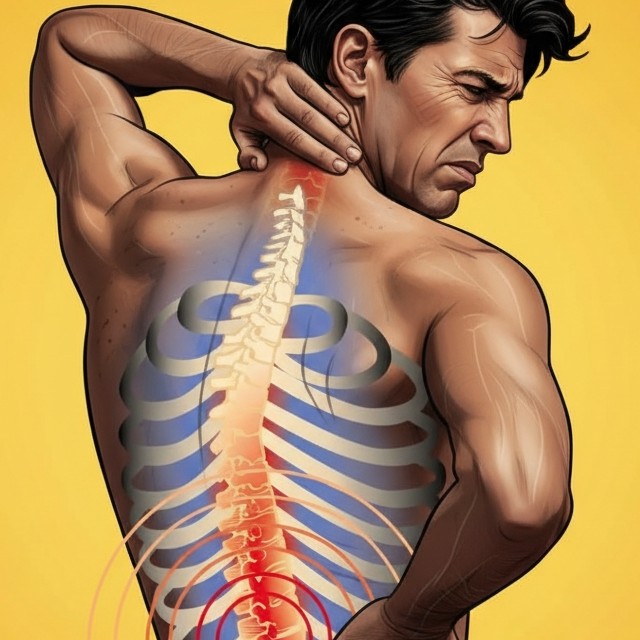
At Stretch Flex, Perth’s trusted assisted stretching studio, we work with everyday people, tradies, office workers, and active individuals who are dealing with stiffness, tightness, and ongoing discomfort. One of the most common questions we hear is whether assisted stretching for lower back pain Perth actually works. The short answer is yes, in many cases it can help significantly, particularly when the cause is tight hips, hamstrings, or poor posture. The key is understanding why the pain is happening and addressing the root cause, not just the symptom.
Assisted stretching can help lower back pain when tight muscles, poor posture, or restricted mobility are contributing factors. At Stretch Flex in Perth, sessions focus on improving movement and relieving tension safely. While not a replacement for medical treatment, it is an effective, non-invasive way to support long-term back health.
Can Assisted Stretching Help Lower Back Pain?
Assisted stretching can help lower back pain by improving mobility, reducing muscle tension, and addressing imbalances in surrounding areas like the hips and hamstrings. When performed correctly, it allows deeper, safer stretches than most people can achieve alone, which can relieve pressure on the lower back and improve overall movement patterns.
Lower back pain is rarely just about the back itself. In many cases, the issue is upstream or downstream. Tight hamstrings can pull on the pelvis, restricted hip flexors can tilt posture forward, and long hours sitting can compress and weaken key stabilising muscles.
Assisted stretching works by targeting these contributing areas. Instead of forcing the lower back to do more work, it redistributes movement across the body where it should naturally occur.
Clients often report feeling “looser” immediately after a session, but more importantly, they begin to move differently over time, which reduces recurring strain.
How Does Assisted Stretching Work for Back Pain?
https://stretchflex.au/blogs/stretching-for-posture-perthAssisted stretching works by guiding the body through controlled movements that lengthen tight muscles, improve joint range, and reduce strain on the lower back. A trained stretch therapist applies precise pressure and positioning, allowing deeper and safer stretches than self-stretching alone.
Step 1: Assessment of Movement
Your stretch therapist identifies tight areas, imbalances, and movement restrictions contributing to discomfort.
Step 2: Targeted Stretching
Focus is placed on hips, hamstrings, glutes, and lower back support muscles.
Step 3: Controlled Assistance
The therapist applies gentle pressure to deepen the stretch safely without strain.
Step 4: Improved Movement Patterns
Over time, your body learns to move more efficiently, reducing load on the lower back.
This is not random stretching. It is structured, intentional, and tailored to how your body moves.
Benefits of Assisted Stretching for Lower Back Pain
- Improves flexibility in tight muscles linked to back pain
- Reduces muscle tension and stiffness
- Supports better posture and alignment
- Enhances circulation and recovery
- Helps prevent recurring flare-ups
Most clients notice immediate relief in tightness after one session, with more noticeable improvements in mobility and comfort typically developing over 2 to 4 weeks of consistent sessions.
Common Mistakes That Keep Back Pain Hanging Around
One of the biggest mistakes is stretching the lower back directly while ignoring the surrounding muscles. This often leads to temporary relief but not long-term improvement.
Another common issue is inconsistent effort. Doing one stretch session and expecting lasting results is like going to the gym once and expecting lifelong fitness.
Finally, many people push too hard when stretching alone, which can actually aggravate the issue rather than fix it.
Guided sessions remove the guesswork and reduce the risk of doing the wrong thing.
Assisted Stretching vs Stretching on Your Own
When it comes to relieving lower back pain, how you stretch matters just as much as whether you stretch.
- Assisted stretching allows deeper, controlled movement
- Self-stretching often lacks proper positioning
- Assisted sessions reduce risk of overstretching
- Solo stretching relies on your own flexibility limits
- Assisted stretching is tailored to your body
- DIY stretching is often generic and inconsistent
If you’re dealing with persistent tightness or recurring back discomfort, assisted stretching provides a more structured and effective approach. Self-stretching still plays a role, but it works best alongside professional guidance.
What Does It Cost and How Long Does It Take to See Results?
The cost of assisted stretching depends on session length and package options, but more important than cost is consistency.
Most people begin to feel a difference within the first session, particularly in reduced tightness. Measurable improvements in flexibility and movement typically occur within 2 to 4 weeks when attending regularly.
The biggest driver of results is frequency, not intensity.
Why This Matters for Perth Locals
Perth lifestyles play a big role in lower back discomfort. Long commutes, desk-based work, FIFO routines, and physically demanding jobs all create unique stress patterns on the body.
Suburbs across Perth, from the CBD to Como, Fremantle, and beyond, see the same pattern, tight hips, reduced mobility, and recurring lower back strain.
That is where a structured, local solution like Stretch Flex becomes valuable, offering consistent, guided support rather than quick fixes.
Key Takeaways
- Lower back pain is often caused by tight surrounding muscles, not just the back
- Assisted stretching helps address the root cause, not just symptoms
- Consistency over 2 to 4 weeks delivers the best results
- Guided sessions are safer and more effective than guessing on your own
- Stretch Flex provides tailored sessions designed for Perth lifestyles
If your lower back is constantly reminding you it exists, it might be time to stop guessing and start moving better.
Book a session with Stretch Flex today and experience what targeted, assisted stretching can do for your body.
FAQs
Is assisted stretching good for lower back pain?
Yes, assisted stretching can help lower back pain when tight muscles and poor mobility are contributing factors. It focuses on improving movement and reducing strain on the back.
How quickly can assisted stretching relieve back pain?
Many people feel immediate relief in tightness after one session, with more noticeable improvements developing over 2 to 4 weeks.
Do I still need to stretch at home?
Yes, home stretching can support your progress, but assisted sessions provide deeper, more effective results.
Is assisted stretching better than massage for back pain?
They serve different purposes. Massage focuses on muscle relaxation, while assisted stretching improves mobility and movement patterns.
How often should I do assisted stretching for back pain?
For best results, most people benefit from 1 to 2 sessions per week initially, then moving to maintenance sessions.