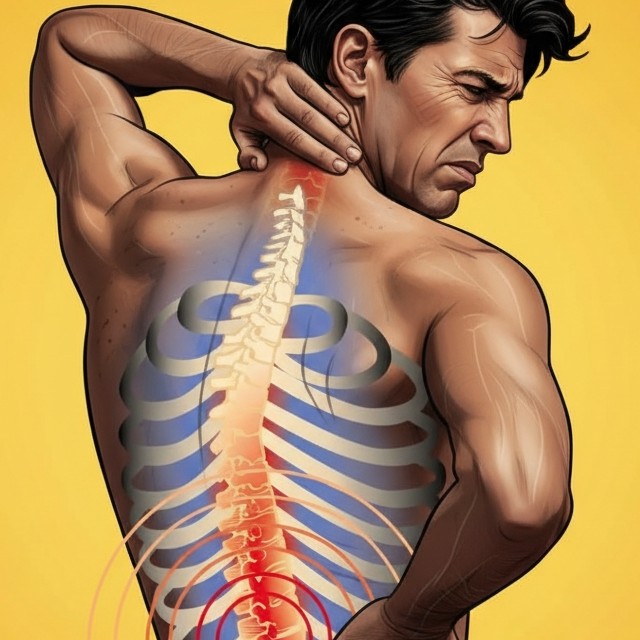
At StretchFlex, Perth’s trusted assisted stretching studio, one of the most common questions we get is not if assisted stretching works, but how often you need to do it to actually see results. If you’re searching for how often should you do assisted stretching, you’re likely already thinking about improving flexibility, reducing tightness, or preventing injuries. The answer depends on your body, your lifestyle, and your goals, but there are clear guidelines that help most people move better, faster, and with lasting results.
Most people benefit from assisted stretching 1 to 2 times per week to improve flexibility and reduce tightness. At StretchFlex in Perth, consistency is the key driver of results, with noticeable improvements often seen within 2 to 4 weeks. Frequency can then reduce to maintenance once mobility improves.
How Often Should You Do Assisted Stretching?
For most people, assisted stretching 1 to 2 times per week delivers the best balance between progress and recovery. This frequency allows the body to adapt, improve flexibility, and reduce tightness without overloading muscles. As mobility improves, sessions can be reduced to maintenance levels to sustain result
If you are just starting, your body is likely tighter than you think. Muscles and joints that have been restricted for months or years need consistent input to change.
One session can feel great, but it is repetition that creates real, lasting improvement.
Think of assisted stretching like brushing your teeth. Doing it once helps, doing it regularly changes everything.
How Assisted Stretching Frequency Works
The frequency of assisted stretching works by gradually improving muscle length, joint mobility, and movement patterns over time. Regular sessions reinforce these changes, allowing the body to adapt safely and sustainably rather than reverting back to tightness.
Step 1: Initial Phase (Weeks 1–2)
1 to 2 sessions per week to reduce tightness and introduce new movement patterns.
Step 2: Progress Phase (Weeks 3–6)
Consistent sessions improve flexibility, posture, and ease of movement.
Step 3: Maintenance Phase
Sessions reduce to once per week or fortnight to maintain results.
Step 4: Lifestyle Integration
Stretching becomes part of your routine alongside exercise, recovery, and daily movement.
This structured approach prevents the common cycle of feeling better briefly, then slipping back into tightness.
Benefits of Getting the Frequency Right
- Faster improvements in flexibility and mobility
- Reduced muscle stiffness and tension
- Better posture and movement patterns
- Lower risk of recurring tightness or injury
- More consistent, long-term results
Most StretchFlex clients begin to notice real changes within 2 to 4 weeks, particularly in how easily they move and how less “restricted” their body feels day-to-day.
Common Mistakes with Stretching Frequency
One of the biggest mistakes is going once and expecting lasting change. That is like going to the gym once and expecting strength to stick around.
Another common issue is doing too much too soon. Daily intense stretching without guidance can lead to irritation rather than improvement.
Some people also rely purely on home stretching but lack the depth or technique to make meaningful progress.
Consistency with the right guidance always beats random effort.
Assisted Stretching Frequency vs Doing It Occasionally
If you are weighing up whether frequency really matters, here is a simple comparison:
- Regular sessions build flexibility progressively
- Occasional sessions provide short-term relief
- Consistency improves movement patterns
- Irregular sessions lead to repeated tightness
- Structured sessions deliver measurable progress
- Sporadic stretching resets but does not improve
If your goal is real, lasting change, consistency is essential. Occasional stretching can help you feel better briefly, but it rarely leads to meaningful improvement.
Costs, Timeframes, and What to Expect
Costs depend on session length and packages, but the real value comes from results, not individual sessions.
Most people feel immediate relief after their first visit. However, visible improvements in flexibility and movement typically occur within 2 to 4 weeks when attending regularly.
Long-term, many clients transition to maintenance sessions, which reduces overall cost while maintaining results.
Why This Matters for Perth Locals
Perth lifestyles often create the perfect storm for tightness. Long hours sitting, physical work, commuting, and active weekends all place different demands on the body.
From the CBD to suburbs like Como and Fremantle, we see the same pattern, tight hips, reduced mobility, and recurring stiffness.
Regular assisted stretching at StretchFlex helps Perth locals stay ahead of these patterns rather than constantly reacting to them.
Key Takeaways
- 1 to 2 sessions per week is ideal for most people starting out
- Consistency drives results more than intensity
- Noticeable improvements typically occur within 2 to 4 weeks
- Maintenance sessions help retain flexibility long-term
- StretchFlex provides structured, guided sessions for lasting results
If you’re ready to stop guessing and start seeing real results, it’s time to build consistency into your routine.
Book your first session with StretchFlex and create a plan that actually works for your body.
FAQs
How often should I do assisted stretching?
Most people benefit from 1 to 2 sessions per week to improve flexibility and reduce tightness.
How long does it take to see results?
Many people feel immediate relief, with noticeable improvements typically within 2 to 4 weeks.
Can I do assisted stretching too often?
Yes, excessive stretching without proper recovery can lead to irritation. Balance and guidance are important.
Do I still need to stretch at home?
Yes, home stretching can support your progress, but assisted sessions deliver deeper and more effective results.
Is assisted stretching worth doing regularly?
Yes, regular sessions provide lasting improvements in mobility, flexibility, and overall movement quality.